Why Is My Water Heater Pressure Relief Valve Leaking?
What It Means, Why It Matters, and When to Call a Pro
If you've noticed a leak near the top or side of your water heater, you might be dealing with the water heater's relief valve—also known as the T&P (temperature and pressure) relief valve. This small but critical safety device helps protect your home by preventing dangerous pressure or heat buildup from potential water heater malfunctions and even explosions. At BDP Plumbing, we often get calls from homeowners in Morris, Sussex, Warren, and Somerset Counties, NJ, wondering if a leaking valve is normal or a sign of trouble. Here's what you need to know.
This guide is for homeowners in Northwestern New Jersey who want to understand why their water heater's pressure relief valve might be leaking, what it means for their home's safety, and when to seek professional help in Morris, Sussex, Warren, and Somerset Counties.
A leaking T&P valve can indicate excessive pressure or temperature, a defective valve, or serious underlying system issues. Ignoring a leaking relief valve risks catastrophic tank failure.
What Does the Pressure Relief Valve Do?
The T&P valve is designed to release excess pressure or temperature from your water heater. The T&P valve is crucial for water heater safety. It prevents catastrophic tank failures by releasing excess pressure and discharges water to manage temperature spikes. If the pressure inside or temperature inside the tank gets too high, the valve opens to release some water and restore safe conditions, which is its job.
Is It Normal for It to Leak?
Occasional drip? Not always a concern. If the valve releases a little water now and then, especially after the heater has been working hard as water expands when water heats, especially in a closed system, it could be doing exactly what it's meant to by relieving excessive pressure.
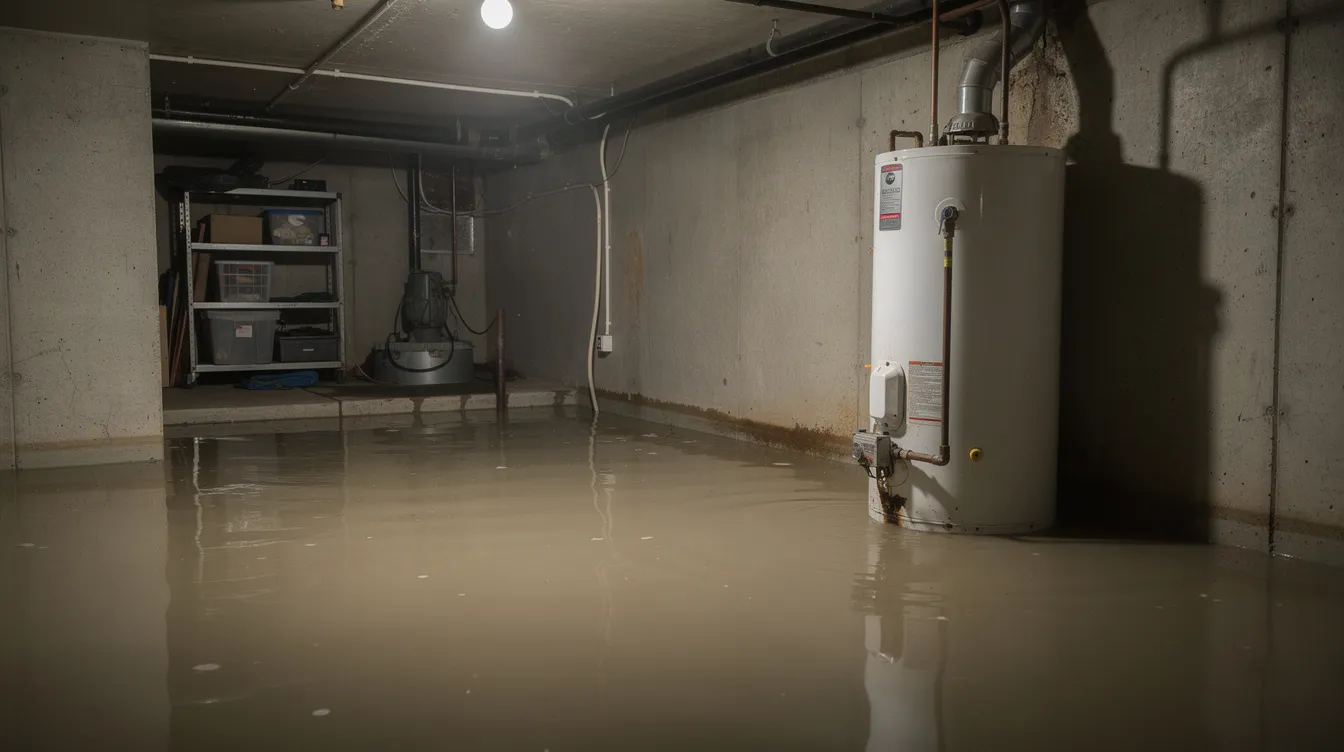
Constant leaking or pooling water? That's a red flag.
Common Reasons for a Leaking T&P Valve
High Pressure in the Tank
Excessive pressure buildup—often due to thermal expansion or a faulty thermostat—can put added stress on the valve and the overall system. If your water pressure regulator isn't working correctly, it may need to be adjusted or replaced. An expansion tank is a common solution for pressure issues in a closed system, and regular plumbing and heating maintenance tips can help prevent these problems from developing in the first place.
Excessively Hot Water
If your water temperature is consistently above 120°F, it can raise internal pressure. Double-check your thermostat settings to make sure it's set to the correct temperature for safety and efficiency. A malfunctioning thermostat can also cause overheating when the tank gets too hot, just as mineral buildup from hard water can affect fixtures like your shower, which may require cleaning a showerhead with vinegar to restore proper flow.
A Faulty or Worn-Out Valve
Over time, sediment buildup, corrosion, or simple wear and tear can cause the valve to become defective and no longer seal properly. In this case, replacing the valve is often the right fix, and relief valve replacement may be needed.
Improper Installation
A poorly installed valve or a missing discharge pipe can create safety hazards. Always have a professional inspect your setup to ensure it's up to code.
Why You Shouldn't Ignore a Leak
A leaking valve may seem like a small issue, but the consequences can include costly repairs and problems across the whole system, such as, especially if you don’t know how to turn off the water to your house quickly in an emergency:
- Water damage or mold near the unit
- Corrosion and tank failure
- Increased utility bills
- Safety hazards
If your T&P valve is leaking constantly or in large amounts, a leaking relief valve should never be ignored, and waiting can make the problem worse. It's time to have it professionally inspected.
When to Call BDP Plumbing
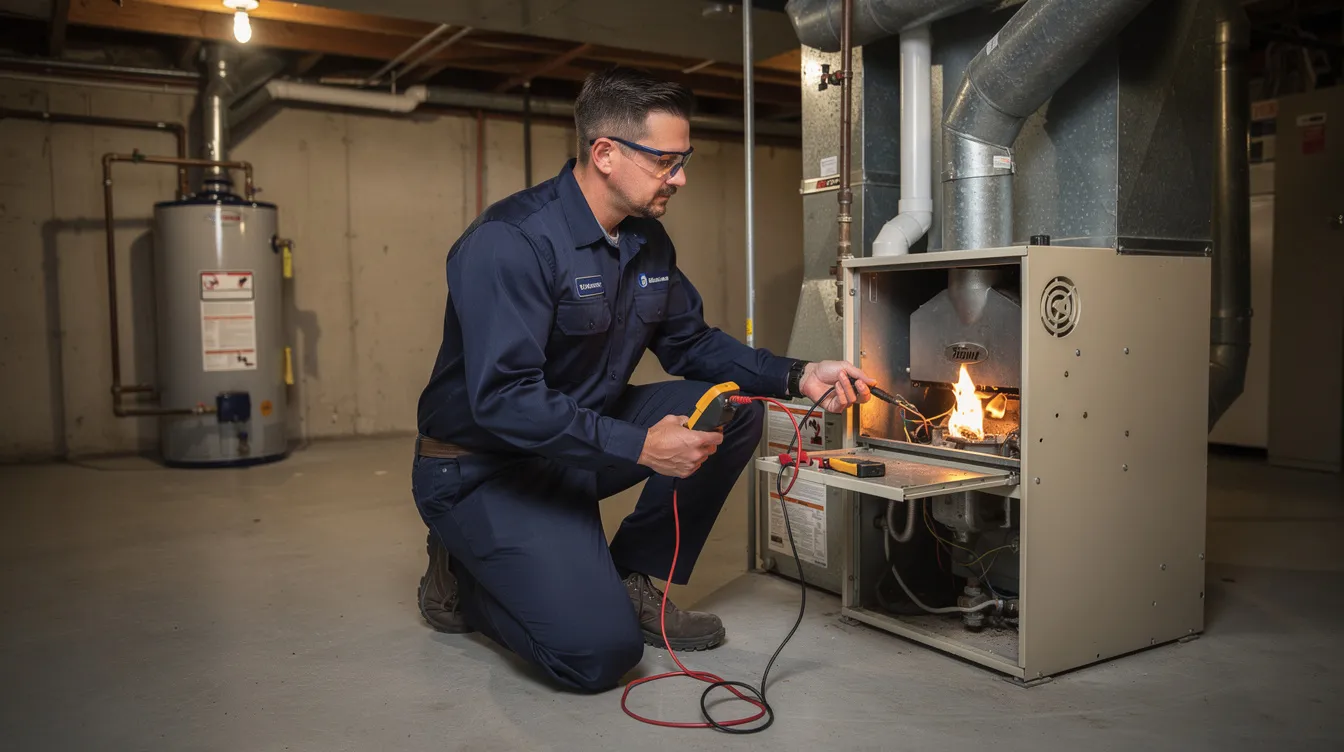
At BDP Plumbing & Heating, we've helped countless homeowners in Morris, Sussex, Warren, and Somerset Counties diagnose whether something is wrong with the valve or pressure conditions and repair water heater issues quickly and safely. A faulty valve and valve replacement are both common outcomes when repairs are needed.
Concerned About a Leak?
Give BDP Plumbing a call today for reliable, honest service. We'll make sure your water heater is safe, efficient, and up to code so it keeps operating efficiently and safely in your house.
Frequently Asked Questions About Water Heater Pressure Relief Valve Leaking
What is a leaking temperature and pressure relief valve?
A leaking temperature and pressure (T&P) relief valve is a safety device on your water heater that releases water when pressure levels or temperature inside the tank get too high. If it starts leaking continuously, it indicates excessive pressure or temperature, or a faulty valve.
Why does my water heater pressure relief valve started leaking suddenly?
The valve may start leaking due to increased pressure levels caused by thermal expansion, a malfunctioning thermostat causing overheating, sediment buildup preventing the valve from sealing, or a defective valve.
Can I troubleshoot a leaking relief valve myself?
Some straightforward troubleshooting steps include checking your water heater’s temperature setting, verifying the valve is properly installed, and inspecting for sediment buildup, but BDP also offers expert plumbing tips and advice to help you understand when to call a professional. However, it’s best to contact a licensed plumber or schedule professional plumbing and heating services to safely diagnose and fix the problem.
Does a leaking pressure relief valve mean the valve needs replacement?
Not always. Sometimes the valve is doing its job by releasing excess pressure or temperature. But if it leaks continuously despite correct temperature settings and proper pressure levels, the valve may be defective and require replacement.
How does an expansion tank help with a leaking relief valve?
An expansion tank absorbs the extra volume of water caused by thermal expansion in a closed plumbing system, preventing excessive pressure buildup that triggers the relief valve to leak.
Is it safe to screw or cap the leaking relief valve to stop the leak?
No. Capping or screwing shut the pressure relief valve is dangerous as it prevents the valve from releasing pressure, increasing the possibility of tank failure or explosion.
What pressure and temperature levels cause the T&P valve to open?
The T&P valve is designed to open at approximately 150 psi pressure or 210°F temperature to prevent water heaters from dangerous pressure and heat buildup.
When should I call a plumber about a leaking relief valve?
If your relief valve leaks continuously, if you notice water pooling around the heater, or if you are unsure about troubleshooting steps, call a professional plumber to explain, verify, and repair the issue safely by scheduling reliable plumbing and heating services.
Need Help with a Leaking Water Heater Pressure Relief Valve?
Don't wait until a small leak turns into a big problem. Contact BDP Plumbing & Heating today for expert diagnosis, repair, and valve replacement and see why so many homeowners leave
excellent reviews for BDP Plumbing and Heating. Our licensed professionals serve Morris, Sussex, Warren, and Somerset Counties with prompt, reliable, and affordable plumbing and heating services. Call us now or schedule a free assessment online to keep your water heater safe and efficient!