Oil to Gas Conversion Cost in NJ: Price to Convert from Oil to Gas in Morris & Sussex County
Introduction
If you’re a New Jersey homeowner considering an oil to gas conversion, understanding the oil to gas conversion cost in NJ is essential for making an informed decision. This guide covers everything you need to know about the costs, process, and key considerations for converting from oil to gas heating in Morris and Sussex Counties. Whether you’re looking to save money, improve energy efficiency, or boost your home’s value, this article is designed for NJ homeowners weighing the benefits and logistics of switching to natural gas. With rising energy costs and the potential for significant annual savings, oil to gas conversion is a timely topic that can lead to lower utility bills, increased efficiency, and enhanced property value.
Summary Table: Oil to Gas Conversion Costs & Savings in NJ
| Item | Typical Range |
|---|---|
| Typical NJ Conversion Cost | $6,000–$18,000 |
| Existing Gas Service | $6,000–$9,000 |
| Gas Line Installation | $1,000–$3,000 |
| Oil Tank Removal | $400–$3,400 |
| Permit Fees | $150–$600 |
| Rebates | $300–$3,000 |
| 0% Financing | Available |
| Annual Savings | Up to 60% |
| Payback Period | 5–10 years |
Key Takeaways
Most oil-to-gas conversions for a typical 1,800–2,400 sq. ft. house in Morris or Sussex County cost about $8,000–$18,000 in 2026. Homes with an existing gas line, gas meter, and no underground tank often land closer to $8,000–$12,000; homes needing new gas lines, underground tanks removed, and high-efficiency equipment run higher.
- A broader national cost to convert from an oil heating system to a gas heating system is often $6,000–$15,000, but North Jersey site conditions can increase the overall cost.
- Natural gas or propane gas heat can lower winter energy bills by $300 to $800 for many households, and switching from oil to gas can reduce monthly cost with 30% to 50% operational savings depending on regional utility rates.
- BDP Plumbing & Heating, Inc. handles the complete project in Morris, Sussex, Warren, and Somerset Counties, including oil to gas conversion, permits, and inspections.
- Call BDP for a local cost breakdown in Stanhope, Byram, Sparta, Hopatcong, Netcong, and nearby towns.
What NJ Homeowners Actually Want to Know About the Cost to Convert from Oil to Gas
For many homeowners, the first question is simple: “What is the price to convert from oil to gas?” The answer depends on several factors: gas availability, home size, system type, oil tanks, permits, and whether the old oil tank is an above ground tank, which is usually simpler than an underground tank.
Natural gas is used in more than half of the homes in the U.S., while oil is used in only around 5.5 million homes, showing the broad preference and availability of gas heating. Still, availability of natural gas can vary based on region: suburban Morris County towns like Roxbury, Randolph, Rockaway, and Parsippany often have easier access, while rural Sussex County locations may not have a natural gas line nearby.
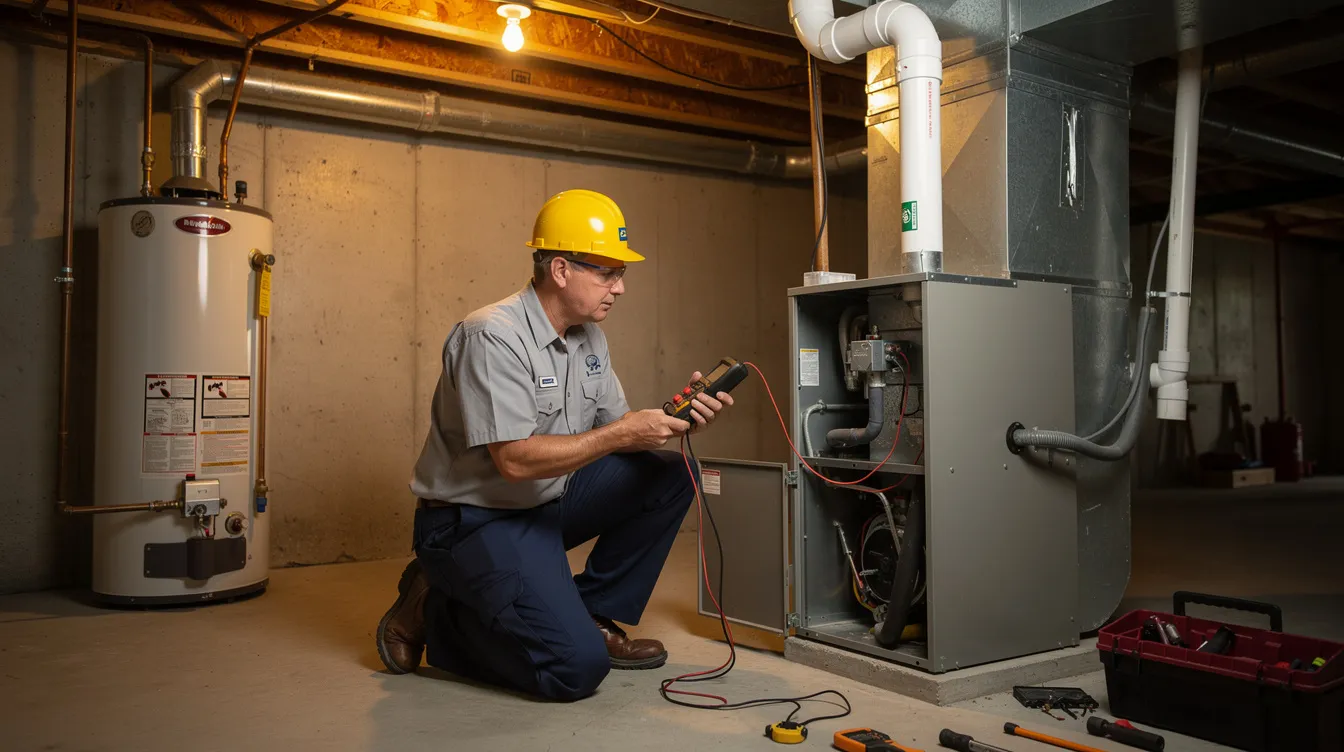
BDP’s licensed HVAC contractor checks with the utility company early to confirm service status, examines the home, and checks whether the conversion is feasible before recommending a new system, reflecting the company’s experienced, customer-focused team.
Full Cost Breakdown of Converting from Oil to Gas Heat in NJ
This cost breakdown is a planning guide, not a fixed quote. The total cost depends on the house, installation complexity, equipment, labor, venting, tank work, permits, local building codes, inspection fees, and current fuel prices.
Homeowners should get multiple estimates from licensed contractors, as costs can vary significantly depending on the specifics of your home and installation, and many homeowners prefer reliable plumbing and heating services from a trusted local provider.
Major Cost Components
- Gas furnace: $2,500 to $7,500, based on model and efficiency rating.
- Installation fees for a new furnace: $1,500 to $3,000, depending on ductwork or other modifications.
- New gas boiler: Often higher than a furnace, especially with multiple zones.
- Gas piping costs: Vary based on distance, access, and whether the run is inside the home or part of a new gas connection from the street.
- Oil tank removal: $500 to $3,000, with underground tanks costing more because of excavation.
- Proper disposal of the tank and remaining oil: Often $200 to $500.
- Additional expenses: Chimney liner work for safe venting, electrical controls, carbon monoxide detectors, balancing the heating system, and permit fees, which typically run $150 to $600 for a conversion.
Key Definitions
- Gas line installation involves running new piping from the street or utility connection to your home, which may require utility company involvement and permits.
- Chimney modifications, such as adding a liner, are often necessary for safe venting when switching to gas.
- Permit and inspection fees are required for plumbing and gas line installations.
Before starting, homeowners should ensure that installation complies with local building codes, which often require permits and inspections for gas line work. BDP provides a written estimate that accounts for replacement of old equipment as needed so you understand the full cost to convert before work begins.
Permit and Inspection Fees
- Permit fees for oil to gas conversion typically range from $150 to $600 in New Jersey.
- Inspections are required to ensure all work meets local safety and building codes.
Typical Gas Conversion Cost Summary for North Jersey Homes
For a standard two-story home with baseboard heat or radiators, expect these planning ranges:
- Existing gas meter, accessible above ground tank, and basic tank removal: $8,000–$12,000.
- New gas service, chimney work, underground oil tank removal, and high efficiency system: $12,000–$18,000.
- Add-ons such as a stove, water heater, dryer, central AC, propane backup, or heat pump can raise the price.
Treat these as planning numbers. The fixed price comes after BDP’s on-site evaluation.

The Oil Tank Factor: Above Ground Tanks, Underground Tanks, and Total Price
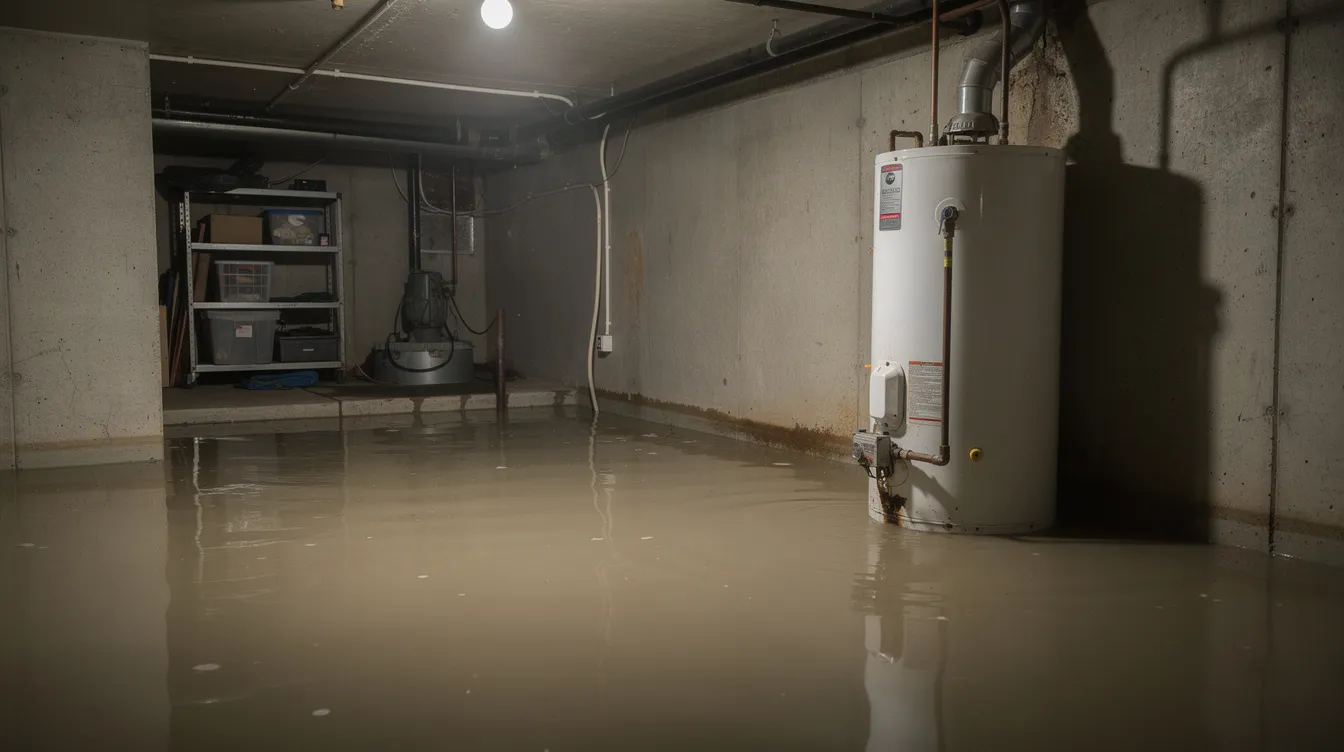
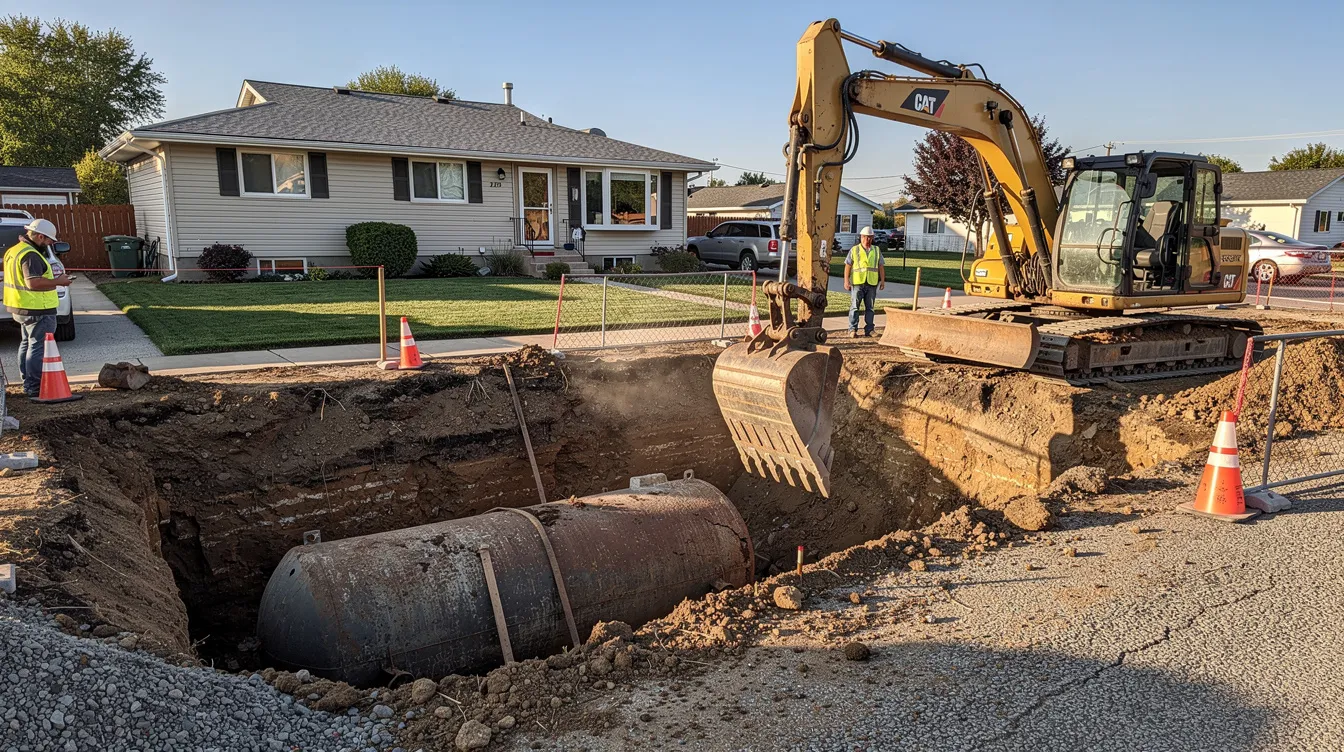
Oil tank status is one of the biggest factors in a gas conversion. Above ground tanks in basements or yards are usually simpler to remove. Underground tanks require excavation, testing, permits, and possible remediation.
In New Jersey, an undocumented oil tank creates real liability, particularly at resale, and must be properly decommissioned, which typically means removal. A leaking underground tank can create environmental impact and cleanup costs exceeding $100,000, often excluded from standard homeowners insurance policies. If leakage is suspected, soil testing may also be required and can materially increase cleanup costs.
BDP coordinates with qualified tank removal specialists so oil tank costs, disposal, and documentation are included clearly to help protect home value at resale, a level of service reflected in BDP Plumbing and Heating reviews.
Unique Considerations for Converting from Oil to Gas in Morris & Sussex Counties
Northern New Jersey has both suburban gas infrastructure and rural areas where oil to natural gas conversions are practical where service exists. Many Morris County towns have natural gas mains in most streets. In Sussex County, places like Stillwater, Walpack, and rural sections of Sparta or Newton may need propane or electric alternatives.
In New Jersey, many homes in rural areas do not have access to natural gas mains, making propane a more realistic alternative for heating in those locations. BDP recommends confirming gas availability and natural gas main access before selecting the system.
Natural Gas vs. Propane vs. Heat Pump Options
Natural gas usually has the lowest operating cost where gas lines exist because natural gas generally provides significantly cheaper British Thermal Units (BTUs) of heat compared to heating oil. Propane gas heating works well where gas mains do not exist. A heat pump can reduce oil heating use in mild weather, while a gas furnace or boiler provides strong winter heat.
BDP can compare gas, propane, and hybrid options so you can make an informed decision and help you understand the benefits of converting from oil heat to gas for your specific home.
Benefits of Switching to Gas Heating for North Jersey Homes
Many homeowners switch because oil prices fluctuate more than gas costs. For most homeowners, switching to gas heating can mean lower fuel costs, lower operating costs, and less fluctuation in fuel prices, giving more predictable heating expenses.
Converting from oil heat to gas heating often means lower maintenance costs because gas heating systems require less frequent servicing and produce less residue. There are no heating oil deliveries, less soot, cleaner indoor air, and a lower carbon footprint, making it a more environmentally friendly option. Homes with natural gas heating also tend to have higher property values and improved marketability compared to homes reliant on oil, which is why many NJ homeowners look into professional oil to gas conversion services.
Gas Heat Efficiency and Equipment Upgrades
Modern heating equipment can achieve high efficiency ratings, and upgrading to a natural gas heating system may include choosing a high efficiency gas furnace, with some models using up to 95% of the energy consumed. Some high-efficiency gas furnaces and condensing boilers reach 95–98% AFUE, compared with older oil boiler or oil furnace equipment that may operate around 80–87%.
BDP helps size equipment correctly for insulation, windows, square footage, and energy use. Ask about rebates: government and utility programs may offer $500 to $3,000 for high-efficiency gas equipment, and a high efficiency system can cost more upfront but may lower future energy use and qualify for federal tax credits under Energy Star programs.

Step-by-Step: How BDP Plumbing & Heating Handles an Oil-to-Gas Conversion
The conversion process from oil to gas heating typically starts with hiring an HVAC contractor and replacing outdated equipment as needed, followed by utility coordination and balancing the heating system.
BDP’s process includes:
- Confirm gas service with the utility.
- Examine the home for feasibility, safety, and environmental standards.
- Prepare a written proposal.
- Schedule oil tank removal.
- Install or upgrade the gas line, including interior and exterior gas piping where required.
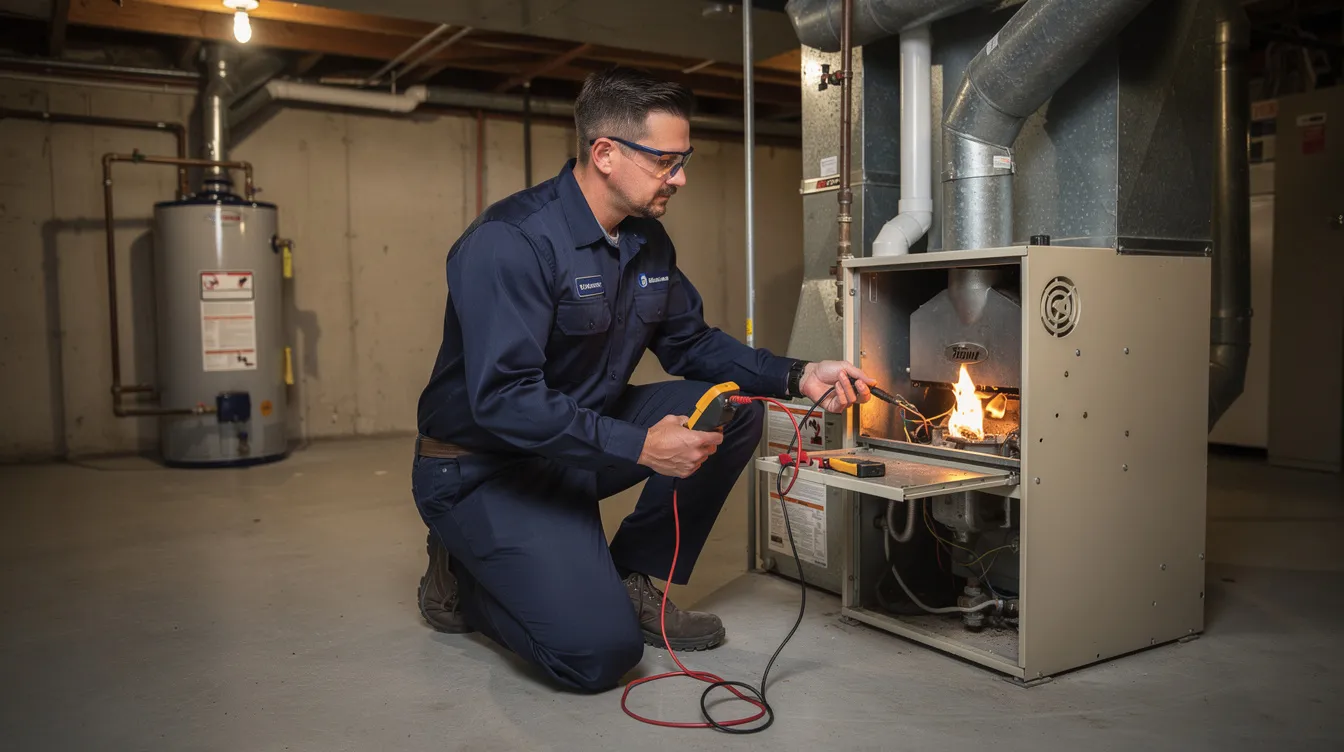
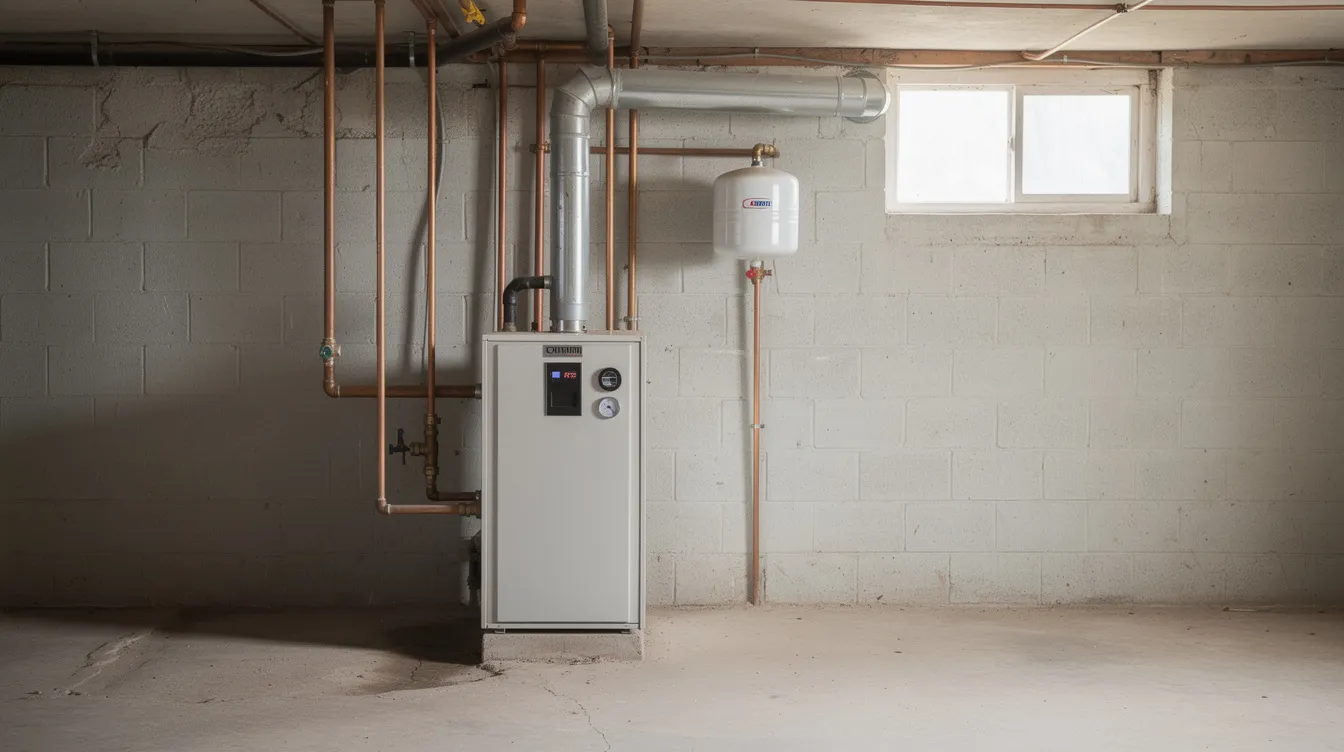
- Replace the oil furnace or boiler with a new furnace or boiler-compatible gas system, depending on the home.
- Test, inspect, and explain the new system.
Start-up also includes checking combustion and water temperature where applicable on boiler systems, and many homeowners schedule professional boiler services to ensure efficiency and reliability.
Once permits and utility work are ready, many installations take 1–3 working days.
BDP Plumbing & Heating’s Local Expertise and Services
BDP Plumbing & Heating, Inc. is a licensed New Jersey plumbing and heating company serving Morris, Sussex, Warren, and Somerset Counties, providing a full range of plumbing and heating services. Services include oil-to-gas conversion, gas line installation, gas furnace installation, boiler installation, emergency heating repair, drain cleaning, plumbing repairs, water heater replacement, and regular maintenance.
BDP offers free in-home assessments, transparent estimates, 24/7 emergency response, financing options, and local service in Stanhope, Byram, Sparta, Hopatcong, and Netcong, with multiple ways to contact BDP Plumbing and Heating for scheduling and questions. Unlike most HVAC contractors, initial quotes do not always include every outside service or allowance, so homeowners should review the scope carefully.
Additional Expenses and Hidden Costs to Watch For
The upfront costs for converting to gas can include new appliances, gas line installation, and oil tank removal, which vary widely based on local conditions.
Hidden Costs to Consider
- Chimney relining or direct venting
- Undersized gas lines
- Combustion air upgrades
- Electrical work
- Radiator repairs
- Duct changes
- Pressure testing
- Security-related safety devices such as carbon monoxide detectors
The payback period for converting to gas can be approximately 6.6 years based on a scenario where the total conversion cost is $10,000 and annual savings are $1,500.
Financing, Rebates, and Long-Term Savings
Financing can spread the cost over time. Long-term savings come from lower fuel bills, fewer emergency calls, improved resale value, and better efficiency. BDP can help compare your current oil usage against projected gas consumption and available incentives, including ENERGY STAR programs and NJ tank guidance from the NJDEP, and you can also explore their expert plumbing and heating tips blog for additional home maintenance guidance.
Ready to Get a Precise Price to Convert from Oil to Gas?
If you are ready to convert from oil, BDP Plumbing & Heating can handle the permits, gas utility coordination, tank work, equipment installation, and final inspection. Gather recent oil delivery records before your visit so BDP can estimate savings, payback, and the best natural gas conversion plan for your home.
Frequently Asked Questions About the Cost to Convert from Oil to Gas
How do I know if my street in Morris or Sussex County has natural gas service?
Look for a gas meter on nearby homes, then contact your utility to confirm gas main location and extension rules. BDP can help interpret the response and recommend natural gas, propane, or heat pump options.
Can I keep my existing radiators or baseboards?
Often, yes. If you have hydronic heat, BDP may replace the oil boiler with a gas boiler while keeping existing piping, radiators, or baseboards if they are safe and compatible.
Is it cheaper to install a heat pump instead of converting to gas?
It depends on electric rates, insulation, rebates, and comfort goals. A whole-house cold-climate heat pump can cost about the same as a full gas conversion, and many homeowners choose a hybrid setup.
Will insurance or lenders care about my old oil tank?
Yes. Lenders and insurers often care about undocumented oil tanks because leaking tanks can create major cleanup liability. BDP works with reputable tank partners and helps provide removal or decommissioning documentation.
Who should I call for a local estimate?
Call BDP Plumbing & Heating for a free assessment and detailed price to convert from oil to gas in Morris or Sussex County: 973-584-8485 for Morris County or 973-729-7586 for Sussex County.