How to Clean Shower Head with Vinegar
A properly functioning
showerhead is crucial for a satisfying shower experience. However, over time, mineral deposits can build up, causing the nozzles to spray water irregularly or clog completely, resulting in poor
water pressure.
At BDP Plumbing and Heating, we've been serving Morris and Sussex Counties for over a decade, providing expert plumbing solutions. Our experience has shown that using vinegar is an effective and affordable way to clean your shower head. By understanding the causes of mineral buildup, you can take preventative measures to maintain optimal water flow.
Key Takeaways
- Regular maintenance of your showerhead can extend its lifespan.
- Vinegar is a natural and effective cleaning solution for removing mineral deposits.
- Poor water pressure can be improved by cleaning your showerhead.
- Understanding the causes of mineral buildup can help prevent future issues.
- BDP Plumbing & Heating offers expert plumbing solutions for complex issues.
Why Your Showerhead Needs Regular Cleaning
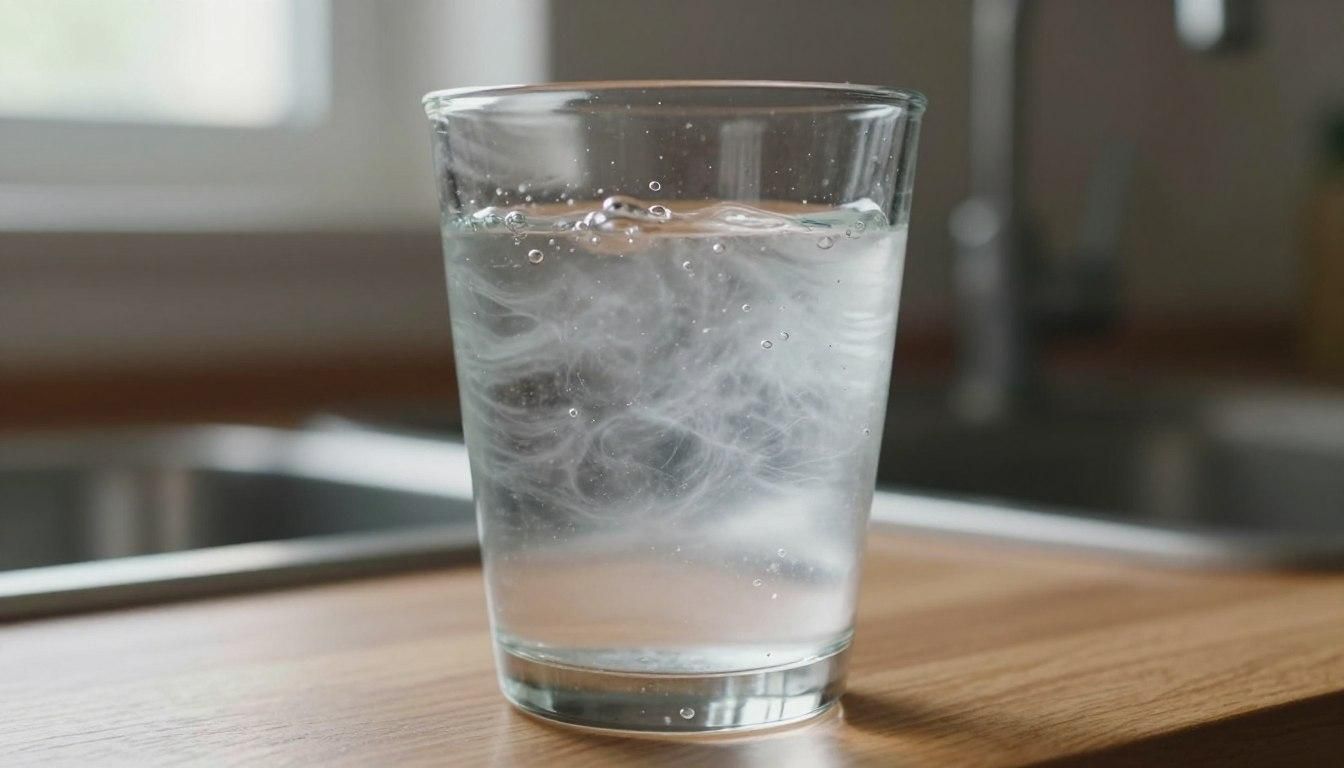
Mineral deposits and buildup can significantly affect your showerhead's performance, highlighting the need for regular cleaning. When mineral-rich water, or hard water, evaporates, it leaves behind deposits of calcium and magnesium. This crusty gunk clogs the showerhead, blocking the water flow.
The Problem with Mineral Deposits
Hard water, common in many regions, including Morris and Sussex Counties, contains high levels of minerals like calcium and magnesium. As water evaporates from your showerhead after each use, these minerals are left behind, forming a crusty layer inside and outside your showerhead. Regular cleaning can prevent this buildup.
How Buildup Affects Water Pressure and Flow
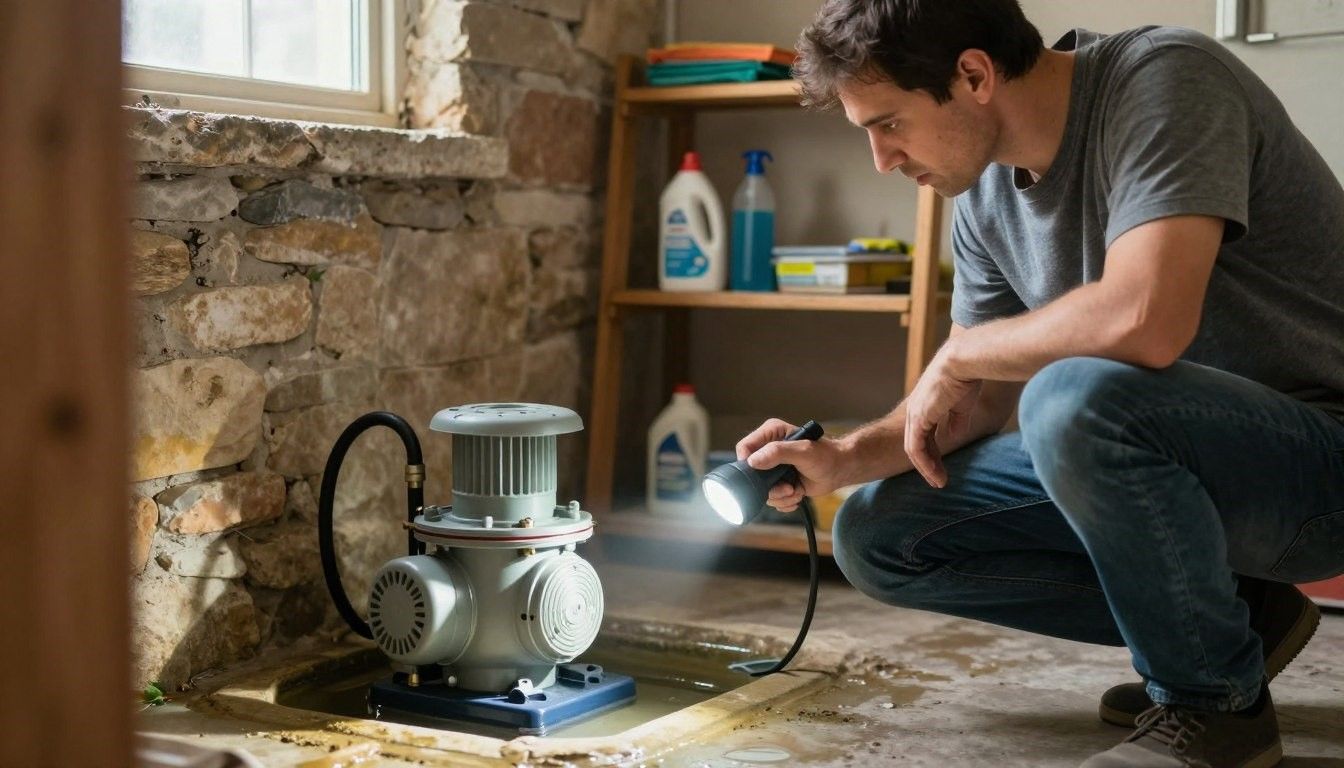
The mineral deposits can block water pathways within your showerhead, causing reduced water pressure and inconsistent spray patterns. Without regular cleaning, these deposits can permanently damage your showerhead, potentially requiring a complete replacement. BDP Plumbing & Heating technicians frequently encounter showerhead issues that could have been prevented with simple maintenance routines, as well as other common plumbing problems they cover in their expert plumbing tips blog.
Signs It's Time to Clean Your Showerhead
Mineral buildup can significantly impact your showerhead's efficiency, leading to various issues. If you're experiencing problems with your shower, it might be due for a cleaning.
Visible Mineral Deposits and Discoloration
One of the clear signs that your shower head needs cleaning is the presence of white, chalky residue or discoloration around the nozzles or on the face of the fixture. This buildup can look like unsightly stains or spots.
Irregular Water Spray Patterns
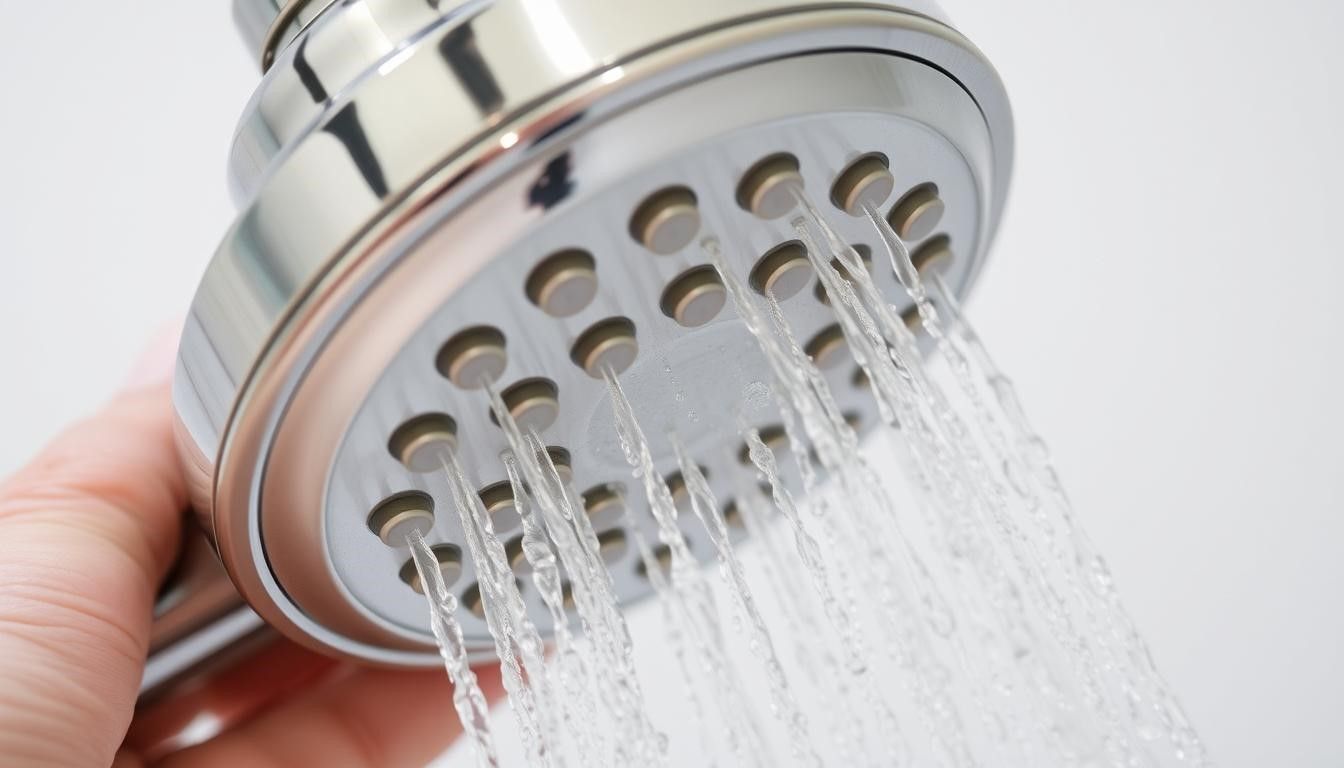
When water sprays in unexpected directions rather than in a consistent, even pattern, it's a common indicator that your showerhead is clogged with mineral deposits.
Reduced Water Pressure
If you've noticed a gradual decrease in water pressure despite normal pressure in other fixtures, your shower head likely has internal buildup, necessitating a clean showerhead.
Materials You'll Need to Clean a Showerhead
Before you start cleaning your showerhead, it's essential to gather the necessary materials. Having the right tools and ingredients on hand will make the process efficient and effective, and these steps closely mirror BDP Plumbing & Heating’s broader guide on how to clean a showerhead.
Essential Cleaning Supplies
The most critical ingredient for cleaning your showerhead is distilled white vinegar, with a pH of around 2.4, and its natural acids help dissolve mineral deposits when you clean shower head with vinegar. It’s also eco-friendly and generally safer than many commercial cleaners. You'll also need a plastic bag large enough to cover your showerhead if you're cleaning it in place, since it lets you soak the shower head with vinegar without removing it. Rubber bands or twist ties are necessary for securing the bag around the showerhead.
- A plastic bag to cover the showerhead
- Rubber bands or twist ties to secure the bag
- Distilled white vinegar as the cleaning agent
Optional Tools for Stubborn Buildup
For more thorough cleaning, you may need additional tools. An old toothbrush is useful for scrubbing away loosened deposits, particularly around and inside the water nozzles. Baking soda can be combined with vinegar to tackle particularly stubborn mineral deposits. Needle-nose pliers may be necessary for removing and cleaning the filter screen inside many showerhead models.
- An old toothbrush for scrubbing nozzles
- Baking soda for extra cleaning power
- Needle-nose pliers for removing filter screens
How to Clean a Showerhead Without Removing It
You don't need to remove your showerhead to clean it; a simple method can be very effective. The plastic bag method is ideal for regular maintenance cleaning or when you're unable to remove your showerhead due to tight connections or rental property restrictions.
The Plastic Bag Method Step-by-Step
Begin by using a plastic bag partially filled with undiluted white vinegar—enough so the liquid covers the showerhead nozzles when attached, but not so much that it spills as you lift it into place. Carefully lift the bag to the fixture and slowly place it over the spray holes.
- Wrap the bag around the neck of the fixture, then secure it tightly with a rubber band, zip tie, or waterproof tape to prevent leakage.
- For standard mineral buildup, let the showerhead soak and let it sit for 2-3 hours; for severe buildup, leave it overnight (8-12 hours).
- After soaking, carefully remove the bag and dispose of the solution.
- Run hot water through the showerhead for at least 1-2 minutes to clear residual vinegar and loosened debris.
Tips for Maximum Effectiveness
For enhanced cleaning, gently scrub the nozzles with an old toothbrush while the water is running to dislodge any remaining deposits. This method is most effective when performed monthly in areas with hard water, as recommended by BDP Plumbing & Heating professionals, who also provide a full range of plumbing and heating services for more complex issues.
If your showerhead has rubber nozzles, you can also massage them with your fingers during the final rinse to help dislodge any remaining deposits, ensuring your shower experience is refreshed.
Deep Cleaning by Removing Your Showerhead
For a deeper clean, taking off your showerhead is necessary to tackle the grime that regular cleaning can't reach. This method is particularly effective for showerheads with severe mineral buildup or those that haven't been cleaned in a while, and if the problem persists you may benefit from reliable plumbing and heating services from BDP Plumbing & Heating.
Safe Removal Instructions
Before you start, place a towel in the tub or sink to prevent any damage from dropped tools. Use an adjustable wrench to loosen the showerhead by turning it counterclockwise while supporting the shower arm to avoid bending or breaking the pipe in the wall.
The Vinegar Soak Process
Once removed, inspect the showerhead for the filter screen, typically located where water enters. Use needle-nose pliers to gently remove any debris from the screen. Then, create a soaking solution using equal parts distilled white vinegar and water—such as 1 cup of each—in a bowl or pot large enough to submerge the showerhead. Position the showerhead with nozzles facing down or sideways to allow air bubbles to escape. Cleaning vinegar can also be used for this soak.
Cleaning the Filter Screen and Nozzles
After soaking for at least 6-8 hours or overnight, use an old toothbrush to scrub the nozzles and external surfaces, paying special attention to areas with visible mineral deposits. Before reassembling, make sure to rinse all parts thoroughly with hot water to remove any vinegar residue and loosened debris. Then wipe the exterior dry with a soft cloth.
By following these steps, you can ensure your showerhead is thoroughly cleaned and functions properly, providing a refreshing shower experience.
Preventative Maintenance and What to Avoid
To keep your showerhead in top condition, regular maintenance is crucial. A clean showerhead ensures optimal water flow and a refreshing shower experience. For homes in Morris and Sussex Counties with hard water, BDP Plumbing recommends cleaning your showerhead monthly and considering broader expert plumbing and heating solutions to protect your entire system.
Regular Cleaning Schedule
Establishing a regular cleaning schedule is the most effective way to prevent severe mineral buildup in your showerhead. For maintenance, use the vinegar bag method monthly. After each shower, quickly wiping down your showerhead with a soft cloth helps keep the fixture from looking dirty and reduces mineral accumulation over time.
Products and Methods to Avoid
Never use abrasive cleaners, bleach-based products, or toilet bowl cleaners on your showerhead as these can damage the finish and internal components. Avoid using abrasive tools like scrubbing pads or steel wool, even on stainless steel fixtures, as they can scratch and permanently damage the surface, and be prepared by understanding what to do in a plumbing emergency if harsh damage or sudden leaks occur.
When to Call a Professional Plumber
If you notice persistent leaking around the shower arm connection, mold growth inside the showerhead, or if water flow doesn't improve after multiple cleaning attempts, it's time to call a professional. BDP Plumbing & Heating ([973-584-8485](tel:(973) 584-8485)) specializes in resolving complex bathroom plumbing issues that DIY methods can't fix, with many homeowners praising their work in BDP Plumbing and Heating reviews.
Conclusion: Enjoy Your Refreshed Shower Experience
By following the steps outlined in this guide, you can enjoy a refreshed shower experience with improved water pressure and flow. Regular maintenance of your showerhead using vinegar cleaning methods will ensure a consistently enjoyable shower.
Remember, prevention is always easier than dealing with severe buildup. Make time in your monthly cleaning schedule to give your showerhead the attention it needs. For homes with particularly hard water, consider exploring whole-house water softening solutions to reduce mineral deposits throughout your plumbing system.
If you've tried these cleaning steps and still experience issues with your shower head, it may be time to consider a replacement or consult with a professional plumber. BDP Plumbing & Heating has been serving Morris and Sussex Counties for over a decade, providing expert solutions for all bathroom plumbing needs. Our experienced technicians can help with showerhead installation, repair, or replacement - call us at [973-584-8485].
To maintain your bathroom fixtures, keep basic supplies like distilled white vinegar and baking soda in your cleaning kit for quick maintenance when needed.
Frequently Asked Questions About Cleaning a Showerhead with Vinegar
What is the best way to remove mineral deposits from my showerhead?
The best way to remove mineral deposits is by soaking the shower head with vinegar for a few hours or overnight. Don’t worry if the buildup is stubborn, because vinegar can still loosen it before scrubbing with a toothbrush.
Can I use baking soda to clean my showerhead?
Yes, baking soda can be combined with vinegar to tackle stubborn mineral deposits and soap scum. Make a paste with baking soda and water, apply it to the showerhead, then scrub gently with an old toothbrush.
How often should I clean my showerhead to maintain optimal water flow?
For areas with hard water, clean your showerhead once every one to three months. Regular monthly cleaning is ideal to prevent buildup and maintain water pressure.
What tools do I need to remove my showerhead for a deeper clean?
You may need to grab an adjustable wrench, needle-nose pliers, and a microfiber cloth before you begin to protect the finish while unscrewing the showerhead, especially on brass or gold fixtures. A bucket or bowl is also helpful for soaking.
Can I use a toothbrush to scrub away debris from my showerhead?
Yes, an old toothbrush is perfect for scrubbing mineral deposits and soap scum from nozzles and surfaces after soaking your showerhead in vinegar.
Is it necessary to use distilled white vinegar instead of regular vinegar?
Distilled white vinegar is recommended because it is free from additives and impurities that could damage your showerhead. Apple cider vinegar is an alternative but may leave stains.
How long should I soak my showerhead in vinegar to effectively remove mineral deposits?
Soaking for a few hours is usually sufficient, but for heavy buildup, let the showerhead sit in vinegar overnight. Be careful with metal or brass showerheads and limit soaking time to avoid damage. If the manufacturer allows it, some people briefly simmer a removed metal showerhead in vinegar in a pot on the stove. Brass or gold finishes should not be left in vinegar too long.
Refresh Your Shower with Expert Help from BDP Plumbing & Heating
If you're tired of dealing with hard water stains, rust, or clogged showerheads despite your best cleaning efforts, it's time to call the professionals at BDP Plumbing & Heating. Serving Morris, Sussex, Warren, and Somerset Counties, our licensed technicians provide reliable plumbing repairs, replacements, and maintenance to keep your water flowing perfectly, including specialized boiler services to ensure efficient home heating. Contact us today at 973-584-8485 for a free assessment and expert service you can trust!