Prepare Your Sump Pump for Spring Thaw with This Checklist
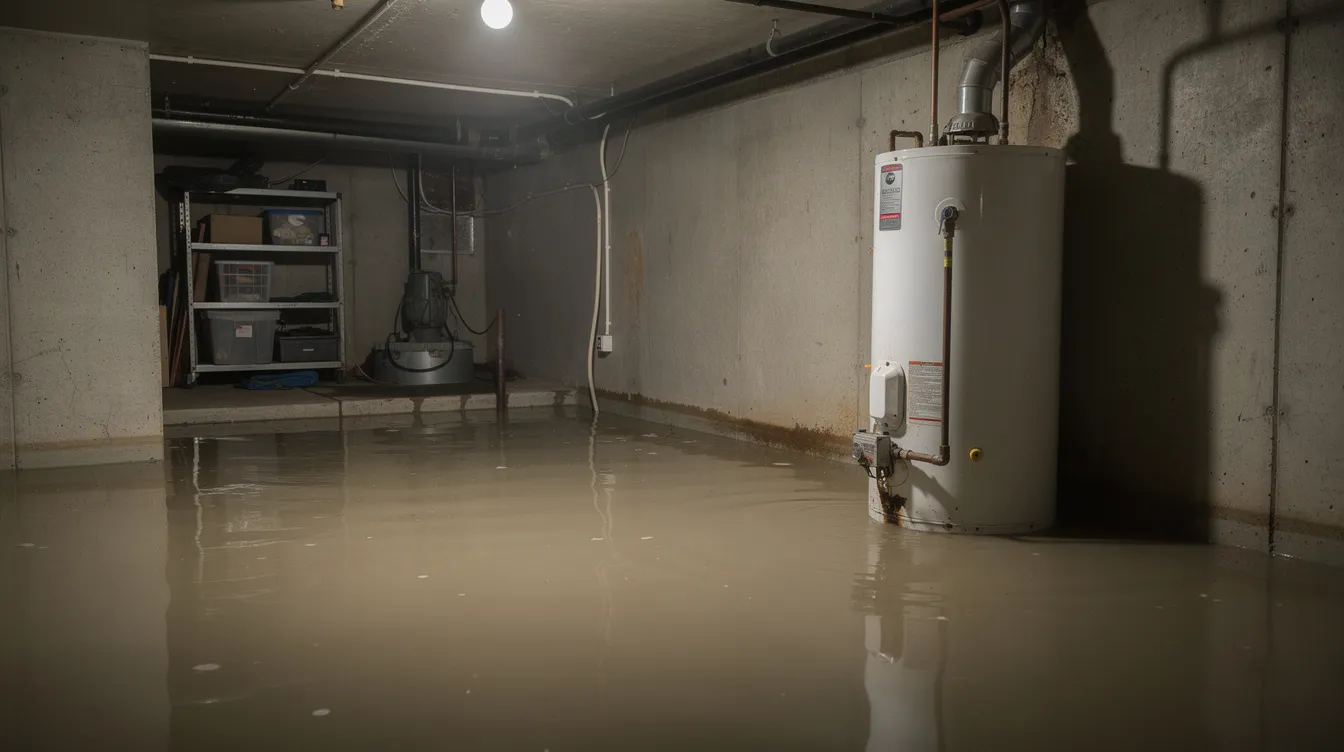
Welcome to your local survival guide for the upcoming spring thaw. As temperatures rise in Morris and Sussex Counties, the melting snow creates a massive volume of water that flows toward your foundation. This water often seeks the lowest point in your home. For many NJ residents, this means the basement faces a high risk of flooding during early storms.
Your sump pump serves as the final line of defense against costly liquid damage. However, a neglected system can fail right when you need it most. This leads to thousands in repair costs for finished rooms. Simple maintenance now ensures your equipment stays reliable when the heavy rains arrive.
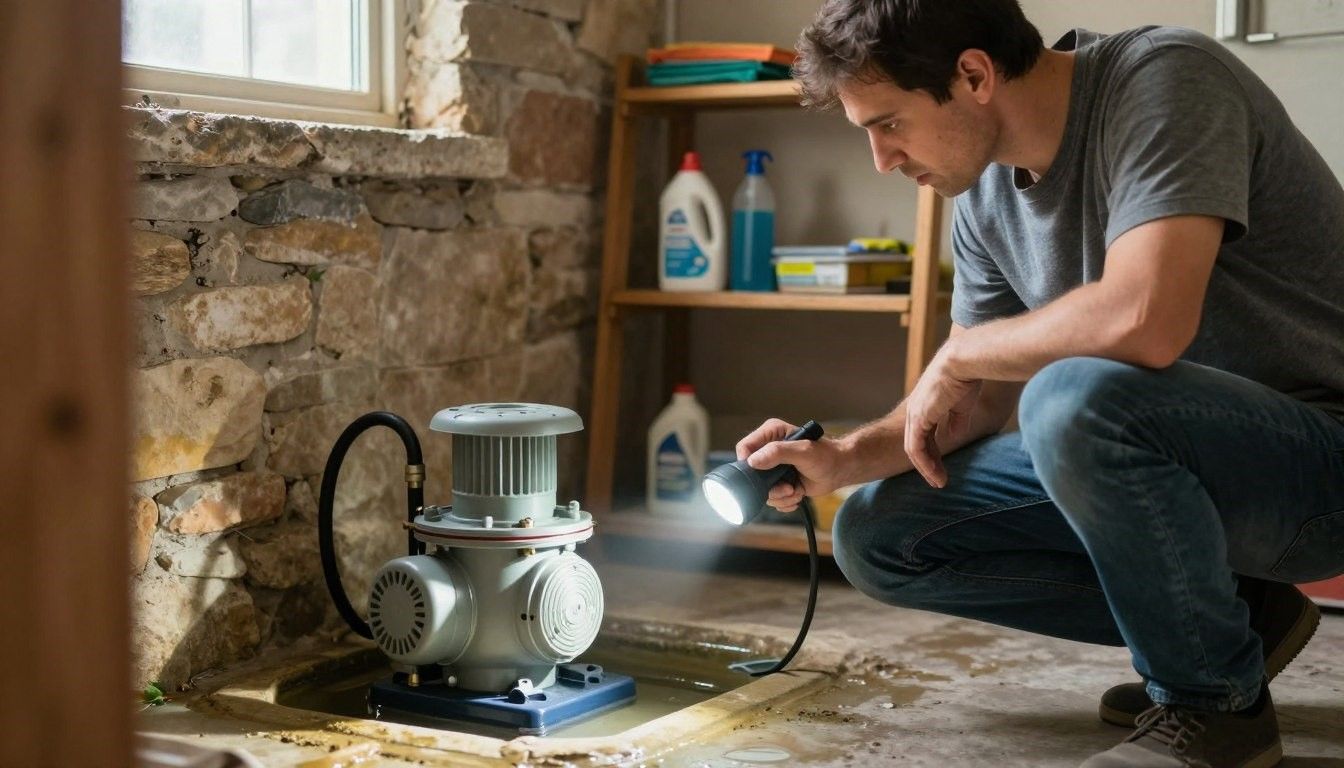
Homeowners can prevent most failures with a routine maintenance check before the spring weather turns sour. This guide provides the steps you need to keep your sump pump running efficiently. The experts at BDP Plumbing & Heating are always ready to help with complex issues. Protecting your home starts with being proactive today.
Key Takeaways
- Inspect the discharge line for any clogs or frozen debris.
- Test the unit by pouring a bucket of water into the basin.
- Clear away any silt or dirt from the pit to prevent clogs.
- Verify that your backup battery is fully charged and functional.
- Check the power cord for signs of wear or damage.
- Ensure the float switch moves freely without catching on the walls.
Why Spring Thaw Is Critical for NJ Homeowners
The transition from winter to spring creates a perfect storm of environmental factors that threaten your foundation. In New Jersey, the spring thaw presents a unique double threat to your home. Melting snow saturates the soil while heavy storms add even more water to the mix.
Since the ground often remains partially frozen during the early weeks, it cannot absorb this moisture. This forces the liquid to seek the path of least resistance. Unfortunately, that path usually leads straight toward your basement floor.
Homes in the Morris and Sussex area face particularly high water tables during this season. This makes a functional sump pump absolutely essential for your protection. You do not want to discover a mechanical failure during the first major spring rain.
| Spring Threat | Impact on Property | Protection Level |
|---|---|---|
| Melting Snow | Saturates topsoil layer | Standard drainage |
| Heavy Rainfall | Rapidly rising water | Active sump pump |
| Power Outages | Pump stops working | Battery backup |
Taking action now prevents flooding and expensive damage to your property. If the water rises too fast, an unmaintained system might fail when you need it most. Regular maintenance is the best way to avoid costly damage and keep your home dry.
Your Complete Sump Pump Maintenance Checklist for Spring
Completing a comprehensive sump pump maintenance checklist now can save you from a flooded basement later this season. NJ homeowners should perform this pump maintenance checklist in late winter to clear the pit of dirt. Schedule your inspection now to ensure everything stays dry during the heavy thaw.
A consistent maintenance checklist is your best defense against water damage. Following this maintenance checklist helps protect your entire investment. Add this maintenance checklist to your regular home routine this year. Every maintenance checklist task is designed to keep your basement dry.
Use a pump maintenance checklist to ensure you miss no details. Finish your pump maintenance checklist before the first big storm hits. Regular pump maintenance and sump pump maintenance are keys to success.
| Action | Target | Result |
|---|---|---|
| Sump pump maintenance | System | Prevent Water Damage |
| Pump maintenance | Motor | Reliable Power |
| Maintenance checklist | Sump pit | Clear Debris |
| Check valve test | Valve | No Water Backflow |
Perform a Visual Inspection
Start with a thorough visual inspection of the unit and its surroundings. Look for signs of rust, corrosion, or cracks on the pump body and power cord. Use zip ties to secure the cord. This prevents slack from interfering with the mechanics during heavy spring rain cycles.
Clean the Sump Pit Thoroughly
Safety first: always unplug the unit before any cleaning. Use heavy gloves to remove large debris like stones or sediment. A wet-dry vacuum works great to clear the pit walls. Keeping the sump pit clear ensures that nothing clogs the intake screen when the water rises quickly.
Check the Float Switch Movement
Manually lift the float switch to ensure it moves up and down freely. It should not catch on the pit walls or get tangled in the power cord. Since a stuck switch is a common failure point, this check is vital for reliable pump maintenance.
Preventative care is the most cost-effective way to manage home infrastructure.
Home Safety Institute
Inspect the Discharge Line and Outlet
Trace the discharge line from the pump to the outdoor exit point. Confirm that water flows at least 10 to 20 feet away from your home's foundation. Check for cracks, leaks, or blockages in the pipe. A clear path is essential for effective sump pump maintenance.
Verify the Check Valve Function
The check valve prevents water from falling back into the basin after the cycle ends. Listen for a distinct "knock" sound when the motor stops. If the check valve fails, the pump will cycle too often. This simple check prevents unnecessary wear on your system.
Confirm Power and Electrical Connections
Verify the pump uses a working GFCI outlet on a dedicated circuit. Test the power to ensure the outlet functions correctly. Inspect all visible wiring for damage to finish your maintenance checklist tasks. Testing the power now ensures the motor will start when the water levels begin to rise.
How to Test Your Sump Pump with the Bucket Method
Ensuring your sump pump works properly doesn't require complex tools; just a five-gallon bucket will do. This method is the most reliable way for homeowners to test their sump system before the spring thaw begins. First, confirm the pump is plugged in and receiving power. Next, fill a large bucket with water from a nearby faucet or garden hose.
Slowly pour the water into the sump pit while watching the float move. As the liquid level rises, the float switch should lift and trigger the sump pump automatically. You should hear a steady humming sound as it quickly clears the pit. Listen for any unusual grinding or rattling that might suggest mechanical wear during this cycle.
Watch the discharge line outside to ensure the pump is actually moving water away from your home. Once the basin is empty, the pump should automatically shut off without hesitation. It is normal to hear a slight knock from the check valve and see a small amount of backflow when the cycle ends. A healthy unit should complete this entire process in under one minute.
| Testing Phase | Manual Action | Expected Outcome |
|---|---|---|
| Preparation | Fill bucket and check plug | System has steady power |
| Activation | Pour water into the pit | Motor starts as float rises |
| Discharge | Monitor the exit pipe | Water flows away from house |
Perform this test monthly during the spring season to stay prepared for heavy rains and melting snow. If you notice strange noises or a failure to test successfully, it indicates a problem that needs professional attention. You can also use a garden hose to test the sump if you prefer not to carry heavy loads. A reliable sump pump provides essential peace of mind during the wettest NJ months.
Battery Backup Sump Pump Benefits During Spring Thunderstorms
New Jersey’s spring weather is famous for heavy thunderstorms that frequently cause a power outage precisely when your basement is at the highest risk of flooding. These intense storms often bring down trees and power lines, leaving your primary sump pump useless against the rising water level.
Protection When Power Goes Out
A battery backup provides critical protection by automatically taking over pumping duties the moment your main electricity fails. This ensure your sump pump continues to move water away from your foundation even during a severe storm. Investing in reliable backup power can save you thousands of dollars in flood damage during a single heavy rain event.
Storms that produce the heaviest rainfall are often the same ones that disrupt the electrical grid. For many homeowners, backup power is not just a luxury; it is an essential safeguard for their property. Having this backup ready ensures your home stays dry when the lights go out.
Variety of Safety Options
Most homeowners choose a battery backup that runs on a 12v or 24v cell to keep their home safe. You can install this backup system as a standalone unit or plumb it into your existing discharge line. A high-quality backup system typically includes its own dedicated float switch to ensure redundancy during an emergency.
While some residential properties use water-powered sump pumps, battery-operated models remain the industry standard for most basements. These units can move hundreds or even thousands of gallons on a single charge. Having extra backup power ensures the entire system works regardless of external conditions.
| Feature | Battery-Powered Unit | Water-Powered Unit |
|---|---|---|
| Primary Power Source | 12v or 24v Battery | Municipal Water Pressure |
| Installation Style | Integrated or Standalone | Specialized Plumbing Required |
| Key Advantage | High Gallons Per Hour | Unlimited Runtime |
| Redundancy | Includes Separate Float | No Electrical Parts |
Essential Maintenance Procedures
Even the best backup needs regular attention to remain reliable throughout the wet season. You should test your battery charge level monthly and replace the battery every two to three years as recommended. Ensure the terminals are clean and all connections remain tight before the storm season begins in earnest.
Homeowners should keep a detailed log of when they last tested their equipment and replaced the cells. If your basement experiences frequent water intrusion, consider upgrading to a larger battery capacity for longer runtime. Keeping the sump pump ready with a fresh system check is your best defense against spring floods.
Why Is My Sump Pump Running Constantly?
If you notice your sump pump running constantly, it often signals a problem that needs your immediate attention. While the spring thaw brings a lot of moisture, your system should still have periods of rest between cycles. Identifying these issues early can prevent a major flood in your basement during the next storm.
Common maintenance problems can force your equipment to work harder than necessary, leading to a shortened lifespan. When the system operates without a break, the motor can overheat and fail exactly when you need it most. We recommend checking your sump pit regularly to ensure everything sounds and looks normal.
Stuck Float Switch
The float switch controls when the pump turns on and off by rising with the liquid levels. If it gets caught on the basin wall or tangled with the power cord, the switch might stay in the "up" position. This tells the motor to keep working even after the sump basin is completely empty.
Faulty Check Valve Allowing Backflow
A check valve is a one-way gate that prevents water from falling back into the pit after it is pumped out. When this valve fails, the liquid in the discharge pipe flows backward, filling the basin again. This causes your sump pump to restart immediately, creating an endless cycle of wasted energy.
Continuous Water Inflow or High Water Table
During a heavy spring melt, the ground becomes saturated, causing the water table to rise significantly. If the pump cannot move the liquid faster than it enters the pit, it will run without stopping. In this situation, the sump is simply overwhelmed by the sheer volume of groundwater surrounding your foundation.
Pump Size Mismatch
An undersized sump pump will struggle to keep up with heavy water intrusion during peak thaw periods. It may stay on for hours because it lacks the horsepower to empty the pit quickly and efficiently. If these issues persist despite your best efforts, you should contact the experts at BDP Plumbing & Heating for a professional system upgrade.
| Observed Symptom | Primary Cause | Recommended Action |
|---|---|---|
| Running non-stop | Stuck float switch | Untangle the switch from cords |
| Frequent cycling | Broken check valve | Replace the old valve unit |
| Pit never empties | Undersized sump pump | Install a higher capacity pump |
| Loud thudding noise | Backflow into sump | Inspect the sump pump discharge line |
Common Spring Sump Pump Problems to Watch For
Spotting early warning signs of sump pump issues during the spring thaw can be the difference between a dry basement and a disaster. Identifying these problems early prevents a total failure and keeps your home safe. As the ground saturates, your sump faces seasonal stressors that require your immediate attention.
Frozen Discharge Lines
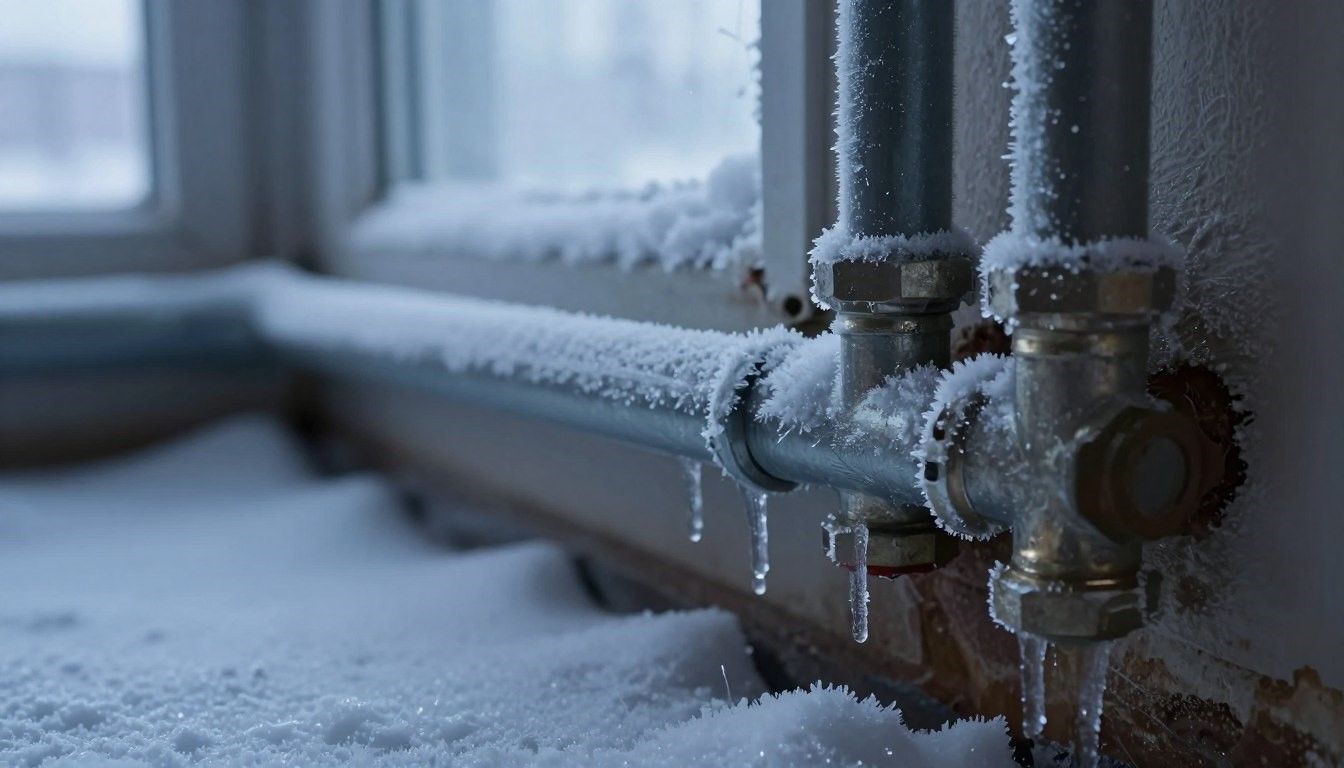
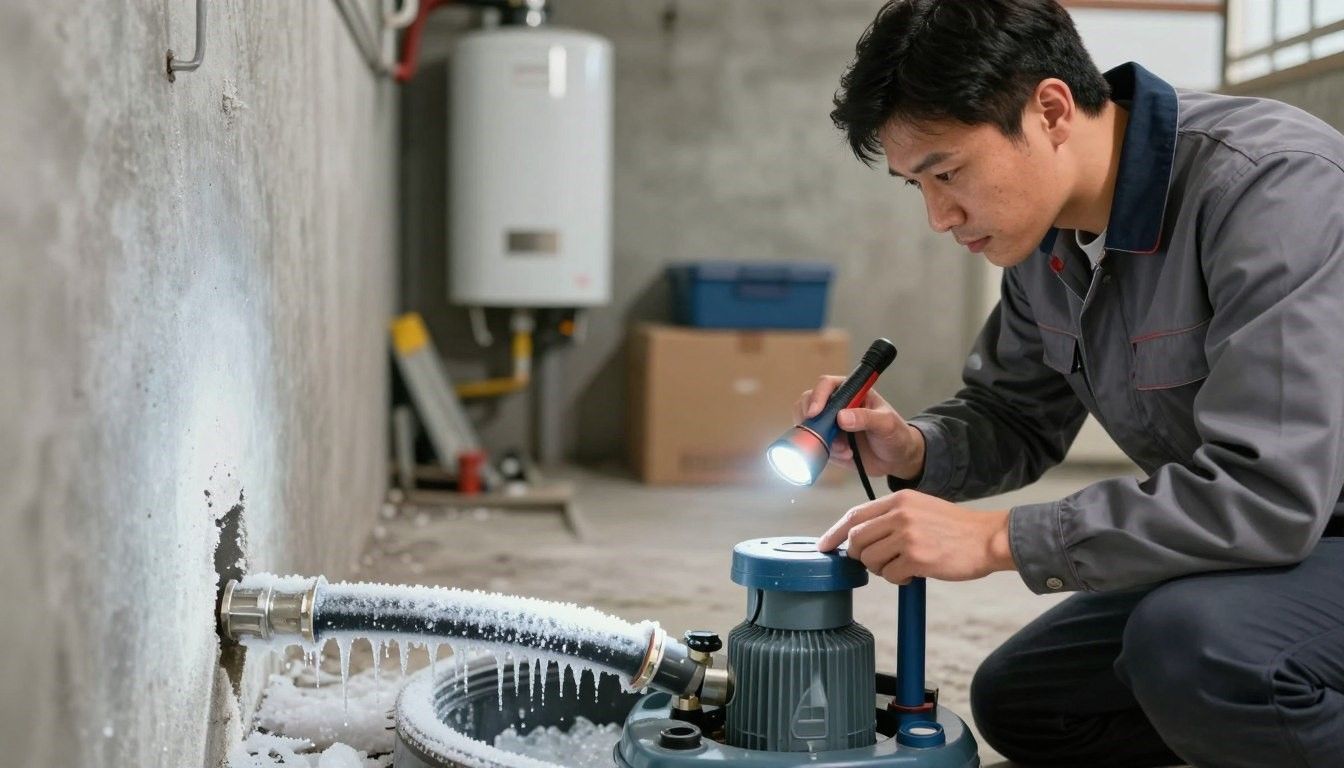
The early spring brings a unique challenge for homeowners. Nighttime temperatures still drop below freezing, while daytime snowmelt creates heavy pump use. This cycle often leads to a frozen discharge line as water turns to ice inside the pipe.
When the discharge is blocked, the motor runs without removing water. This can quickly burn out the system or cause the pit to overflow. Check your outdoor pipe outlet for ice after every cold night to ensure a clear discharge path.
"A frozen discharge line can make a perfectly working pump look broken because it simply has nowhere to push the water."
— Plumbing Safety Standards
Clogged Inlet Screen or Impeller
Spring thaw carries high amounts of sediment, mud, and debris into your sump. This material often blocks the intake screen where water enters the system. A clogged intake prevents the pump from moving water effectively, leading to eventual failure.
You might notice a slower pumping speed or a motor that sounds like it is straining. To fix this, unplug the sump pump and clean the intake area thoroughly. Removing debris from the spinning impeller helps the pump run smoothly through the wettest weeks of the year.
Strange Noises or Vibrations
While some sound is normal, new or unusual noises are major red flags. Grinding typically indicates a worn motor or debris caught in the intake. High-pitched squealing or excessive vibration often precedes a total sump pump breakdown.
If you notice these sounds, contact BDP Plumbing & Heating immediately for a professional inspection. Addressing these signs early prevents a catastrophic flood during a critical spring rainstorm. Staying proactive is the best way to ensure your system survives the season.
| Problem Type | Primary Cause | Warning Sign |
|---|---|---|
| Frozen Pipe | Discharge line ice block | Continuous running, no water movement |
| Clogged System | Sediment in the sump | Straining motor sounds |
| Mechanical Stress | Worn impeller or motor | Loud rattling or vibrations |
- Inspect the outdoor outlet daily during freeze-thaw cycles.
- Listen for grinding or squealing during operation.
- Keep the pit free of leaves and large sediment.
When to Call BDP Plumbing & Heating for Professional Help
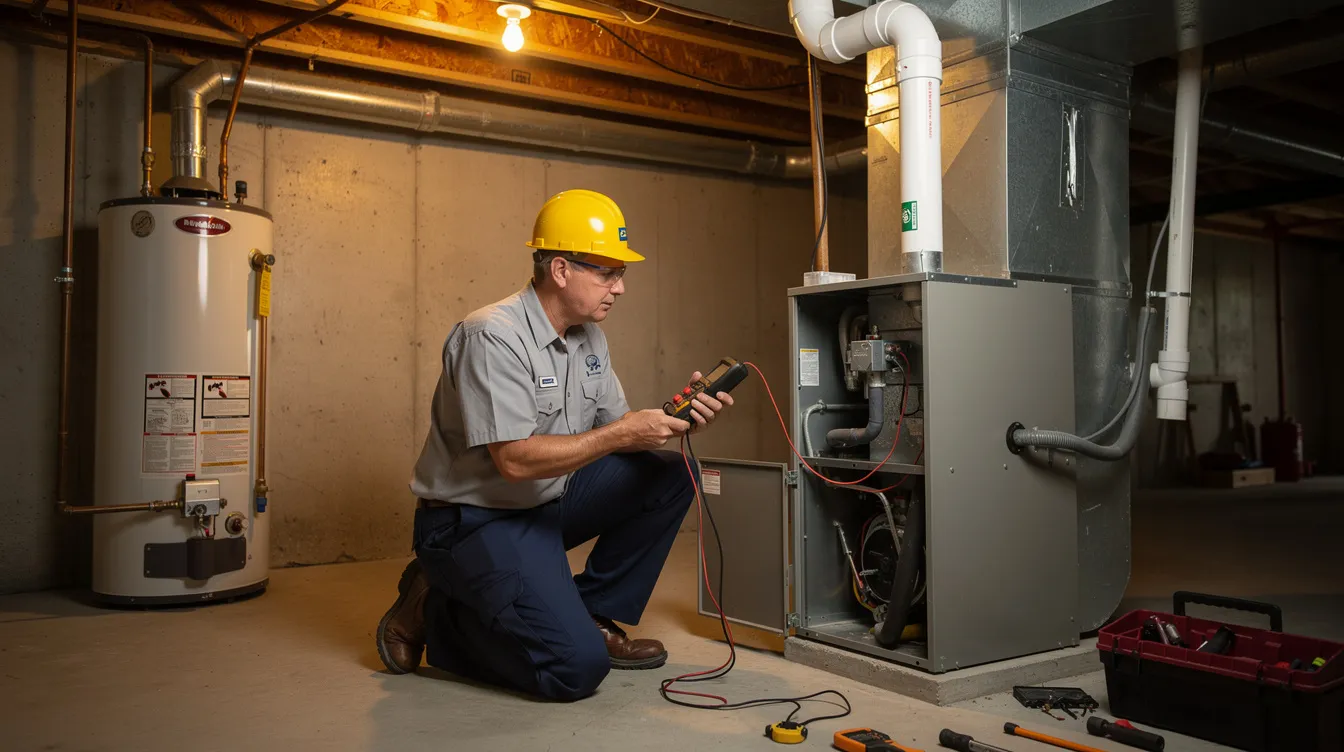
DIY maintenance is a great start, but certain red flags mean it is time to call in the experts. While you can handle basic tasks, some situations require the specialized knowledge of professional plumbing technicians.
If your sump pump fails the bucket test or runs every 20 seconds, it needs immediate care. Visible leaks in the discharge line or strange noises are also signs that pump maintenance has moved beyond a simple fix.
Call BDP Plumbing & Heating at 973-584-8485 for sump pump maintenance if you are installing a battery backup. Our team ensures these pumps integrate perfectly with your electrical system for total reliability. Expert help ensures your secondary pumps activate exactly when you need them most.
For over a decade, BDP Plumbing & Heating has provided reliable service to Morris and Sussex Counties. Our professional technicians understand the stress of potential flooding. We take pride in being respectful and attentive to every homeowner's needs.
Schedule an annual inspection before the spring thaw begins. Investing in pump maintenance now is much cheaper than emergency flood cleanup later. This maintenance visit allows us to catch hidden issues with your sump pump before the rain starts.
Make the right choice with BDP and book your inspection today. Don't wait until a major storm floods your basement. Our pump maintenance keeps your sump pump running smoothly at a reasonable cost, giving you total peace of mind
Conclusion
Spring thaw brings unique challenges for Morris and Sussex County homeowners, making immediate sump pump maintenance vital. This season creates the perfect conditions for a flooded basement area. Sump pumps must function perfectly before the heavy rains arrive to ensure your home stays dry.
Start your maintenance by cleaning all debris from the water sump pit. Verify the float switch movement and inspect the discharge pipe for blocks. Check the valve to stop backflow and perform a bucket test to confirm the pump triggers at the correct water level.
Following a checklist helps you manage your time before a failure occurs. A battery backup provides essential protection during a power failure or peak discharge periods. Monitor your water sump frequently and listen for any alarm sounds, as a silent alarm or rising level often indicates an imminent failure and potential damage.
Regular maintenance helps sump pumps last much longer than the typical seven-year lifespan. Taking these steps now provides peace of mind throughout the rainy months. For professional sump pump maintenance or complex repairs, call BDP Plumbing & Heating at 973-584-8485.
Protect your home with regular maintenance and a reliable checklist today. Do not wait for a failure to damage your property. Make the right choice for your sump pump and your time this week.
| Maintenance Task | System Component | Key Benefit |
|---|---|---|
| Clean Water Sump Pit | Sump | Prevents Basement Damage |
| Inspect Float | Pump | Ensures Correct Water Level |
| Review Checklist | Sump Pump | Avoids Mechanical Failure |
| Clear Discharge Pipe | Sump Pumps | Clears Water Sump Area |
| Verify Alarm | Maintenance | Early Failure Detection |
Frequently Asked Questions About Prepare Your Sump Pump for Spring Thaw with This Checklist
How often should I perform regular maintenance on my basement system?
You should look at the area every three months. Before a rainy season begins, a full inspection is vital to prevent failure. Remove any debris from the water sump pit to keep the intake clear and prevent damage during heavy storms. This simple check saves time and protects your home.
What happens if electricity goes out during a heavy storm?
Having a battery backup is essential for your basement. This backup power source keeps pumps running when the grid fails. Without a reliable backup system, your basement might flood during severe storms. Ensure the battery is charged to avoid high water levels.
Why does the float switch get stuck occasionally?
Often, dirt or a small pipe shift causes these problems. If the float cannot rise with the water level, the motor won't start. You must ensure the switch moves freely to avoid rising liquid issues in the pit. A quick test can confirm it works.
Can a frozen discharge line cause a system failure?
Yes, ice blocks the discharge path. This forces liquid back into the machine. Verify the check valve is working to prevent backflow through the pipe. You should monitor the moisture in the water sump to ensure it drains away from the house foundation.
What should I do if the alarm sounds?
This signal usually means the liquid has reached a dangerous level. Check the valve and the battery immediately. If you hear loud noises from the intake or notice drainage problems, it might be the right time for a professional from BDP Plumbing & Heating to assist.