How to thaw frozen pipes safely - BDP Plumbing's Guide
Welcome to
BDP Plumbing & Heating's expert guide for North Jersey homeowners. As February brings the coldest temperatures, your
home's plumbing faces its biggest test. Knowing what to do with blocked
pipes can prevent a major disaster.
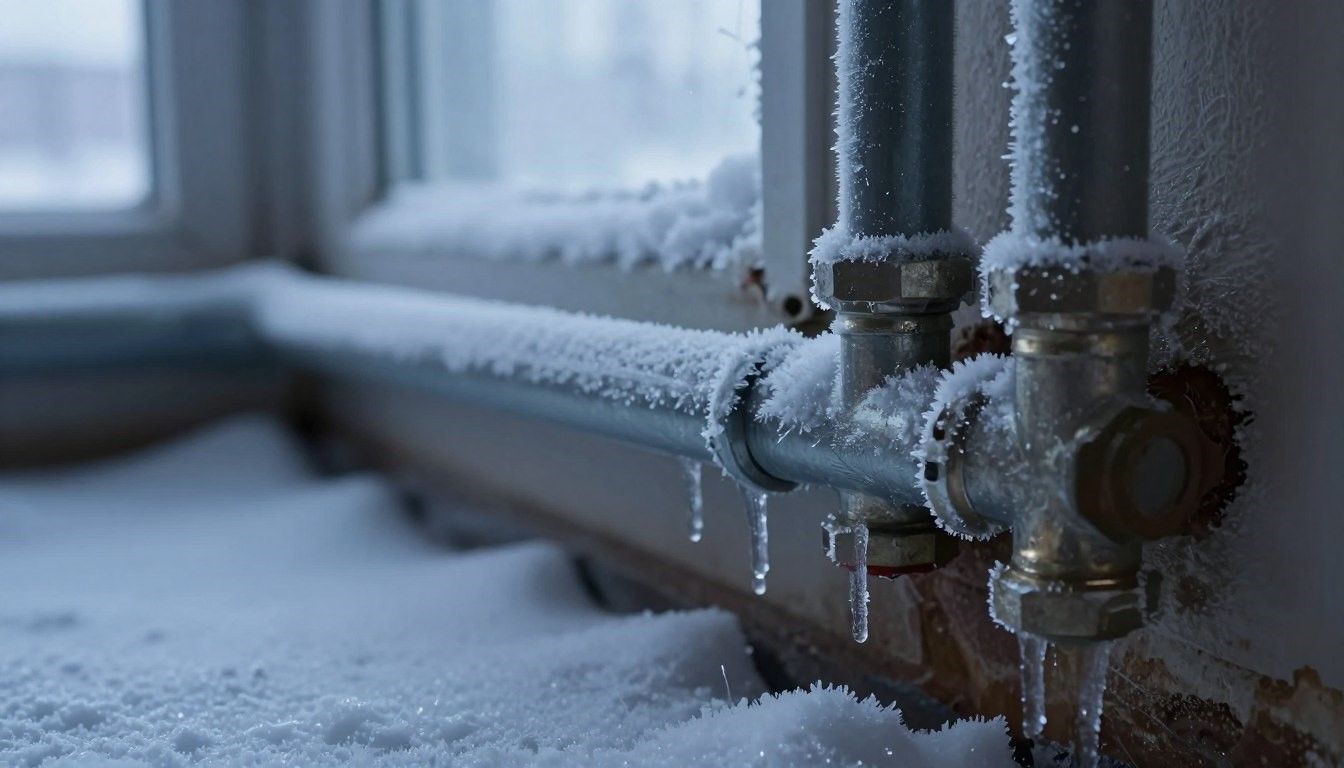
This guide focuses on silent issues—those where ice has formed but a burst hasn't happened yet. Acting correctly protects your property from expensive water damage. Our team has served Morris and Sussex Counties for over a decade.
We will walk you through identifying the problem and the correct restoration process. Our skilled technicians are friendly and ready to help. For immediate 24/7 emergency assistance, call us at 973-584-8485.
Following these professional steps will safeguard your system throughout the
winter season. Let's get started.
Key Takeaways
- February's deep cold in North Jersey makes plumbing systems vulnerable.
- Quickly identifying a blockage is key to preventing a burst pipe.
- Proper thawing techniques can save you from costly water damage repairs.
- BDP Plumbing & Heating offers reliable, professional service across Morris and Sussex Counties.
- Our technicians are respectful and provide approachable, expert support.
- 24/7 emergency help is available by calling 973-584-8485.
- Protecting your home during winter weather is possible with the right knowledge.
Introduction to Frozen Pipes in North Jersey
Living in North Jersey means experiencing some truly challenging winter weather. February consistently delivers the coldest temperatures of the year, creating perfect conditions for plumbing issues.
When outdoor readings drop below 32°F, your home's water lines become vulnerable. Extended exposure to these
freezing conditions puts your entire plumbing system at risk.
Why February is Cold in NJ
February brings the deepest chill to our region. The combination of shorter days and specific atmospheric patterns results in sustained cold spells.
These prolonged periods of low
temperature create the ideal environment for
ice to form inside exposed
pipes. When the mercury falls to 20°F or lower, even main service lines can freeze solid.
The Importance of Being Proactive
Taking action before problems arise saves significant time, money, and stress. Waiting until you have no water flow often means dealing with emergency repairs during the coldest weather.
Understanding your home's vulnerability during February's harsh conditions helps protect your plumbing investment.
BDP Plumbing & Heating assists Morris and Sussex County residents in preparing for these annual
freezing challenges.
Proper preparation prevents most
pipes issues before they start. Our team helps homeowners implement effective strategies that work year after year.
Understanding Why Pipes Freeze
When temperatures plummet, your plumbing system faces unique challenges that stem from water's unusual behavior. Unlike most liquids that shrink as they cool, water actually expands when it turns to ice. This special property explains why pipes freezing can cause such significant damage.
The Science of Ice Expansion
As liquid water transforms into solid ice, it grows in volume by about 9%. This expansion creates tremendous internal pressure within your plumbing lines. The frozen water pushes outward against the pipe walls with incredible force.
No plumbing material—whether copper, PVC, or galvanized steel—can withstand this relentless
pressure indefinitely. The expanding
ice seeks any weak point, often causing cracks at joints or complete pipe bursts.
Key Temperature Thresholds and Risk Areas
Water pipes become vulnerable when exposed to temperatures of 20°F or lower for extended periods. Certain locations face higher risks of freezing issues.
Outdoor fixtures like hose bibs and sprinkler systems are most exposed. Inside your home,
pipe runs through unheated spaces like attics, basements, and crawl spaces need special attention.
Lines along exterior walls with poor insulation also rank high on the risk list. Understanding these danger zones helps you target your prevention efforts effectively.
Signs of Frozen Pipes in Your Home
Before a complete pipe failure occurs, your plumbing will often show clear indicators that something is wrong. Recognizing these early warnings helps you take action before significant damage happens.
Slow or No Water Flow Indicators
The most common sign of a frozen pipe is reduced or absent water flow. When you turn on a faucet and get only a trickle, this suggests ice blockage.
Test each faucet throughout your home systematically. If some work normally while others don't, you likely have a localized frozen pipe issue. Check with neighbors to confirm their water pressure remains normal.
Visible Evidence: Frost, Bulges, and Cracks
Physical inspection reveals clear evidence of freezing problems. Look for frost accumulation on the exterior surface of pipes. Unusual bulges indicate ice expansion inside the pipe section.
Visible cracks or condensation on walls near plumbing lines also signal trouble. Water spots or rings appearing without explanation suggest hidden issues.
| Type of Evidence | What to Look For | Risk Level | Recommended Action |
|---|---|---|---|
| Water Flow Issues | Reduced flow from faucets | Medium | Test all faucets immediately |
| Frost Accumulation | White frost on pipe surfaces | High | Inspect entire plumbing section |
| Pipe Bulges | Swollen pipe sections | Critical | Shut off water and call professional |
| Wall Stains | Water marks on walls/ceilings | High | Check for leaks behind walls |
Auditory clues like whistling or gurgling sounds when using faucets can also indicate ice blockage. Unusual odors from drains may signal ventilation issues caused by frozen sections.
How to thaw frozen pipes safely: A Step-by-Step Guide
When your plumbing system experiences winter blockage, following professional guidelines ensures protection. The restoration process requires careful attention to prevent additional issues.
Preparing Your Home and Shutting Off Water
Begin by locating your main water shutoff valve near the street. Turn it off completely to stop water flow throughout your property.
Open all faucets inside and outside your home. This critical step releases built-up pressure that could cause pipe damage. Keep these fixtures open during the entire restoration process.
Safe Methods: Hair Dryer, Heating Pad, and Warm Towels
Identify the affected section of your plumbing system. Apply gentle, gradual heat using approved equipment. Never use open flames or high-temperature devices.
An electric heating pad wrapped around the pipe provides consistent warmth. Move it along the length to address the entire blockage area. This method offers controlled temperature increase.
Household hair dryers work well for accessible pipe sections. Start near the faucet and slowly move toward the coldest part. Maintain constant motion to prevent overheating any single spot.
Towels soaked in hot water offer another safe option. Wrap them around the affected area and replace frequently. The moist heat helps dissolve ice formations gradually.
| Method | Best For | Time Required | Safety Level |
|---|---|---|---|
| Heating Pad | Hard-to-reach areas | 30-40 minutes | Excellent |
| Hair Dryer | Visible pipe sections | 25-35 minutes | Very Good |
| Warm Towels | Various pipe materials | 35-45 minutes | Good |
If you encounter difficulties or feel unsure about the process, contact
BDP Plumbing & Heating at
973-584-8485. Our technicians provide expert assistance for all plumbing emergencies.
Preventing Future Pipe Freezings
Homeowners can implement practical steps to protect their water pipes during freezing temperatures. These prevention tips help avoid costly repairs and maintain continuous water flow throughout your home.
Proper Insulation and Temperature Maintenance
Insulate pipes in attics, basements, and crawl spaces using pipe sleeves or UL-listed heat tape. Seal cracks in walls where cold air might reach your plumbing.
Maintain consistent indoor
temperature settings day and night. Never let your
home drop below 55°F, especially during extended absences.
Simple Home Adjustments for Continuous Flow
Keep garage doors closed when water lines run through this space. Open kitchen and bathroom cabinet doors to allow warm air circulation.
Allow a slow drip from faucets served by exposed pipes during extreme cold. This movement helps
prevent pipes freezing.
| Prevention Method | Best Application Area | Effectiveness Level | Time to Implement |
|---|---|---|---|
| Pipe Insulation | Attics, crawl spaces | High | 1-2 hours |
| Temperature Control | Entire home | Very High | Immediate |
| Cabinet Door Opening | Kitchen, bathrooms | Medium | Minutes |
| Faucet Dripping | Exposed pipe areas | Good | During cold spells |
These practical strategies effectively
prevent pipes from freezing and protect your investment.
BDP Plumbing & Heating offers professional winterization services for complete peace of mind.
Emergency Steps When Pipes Burst in North Jersey
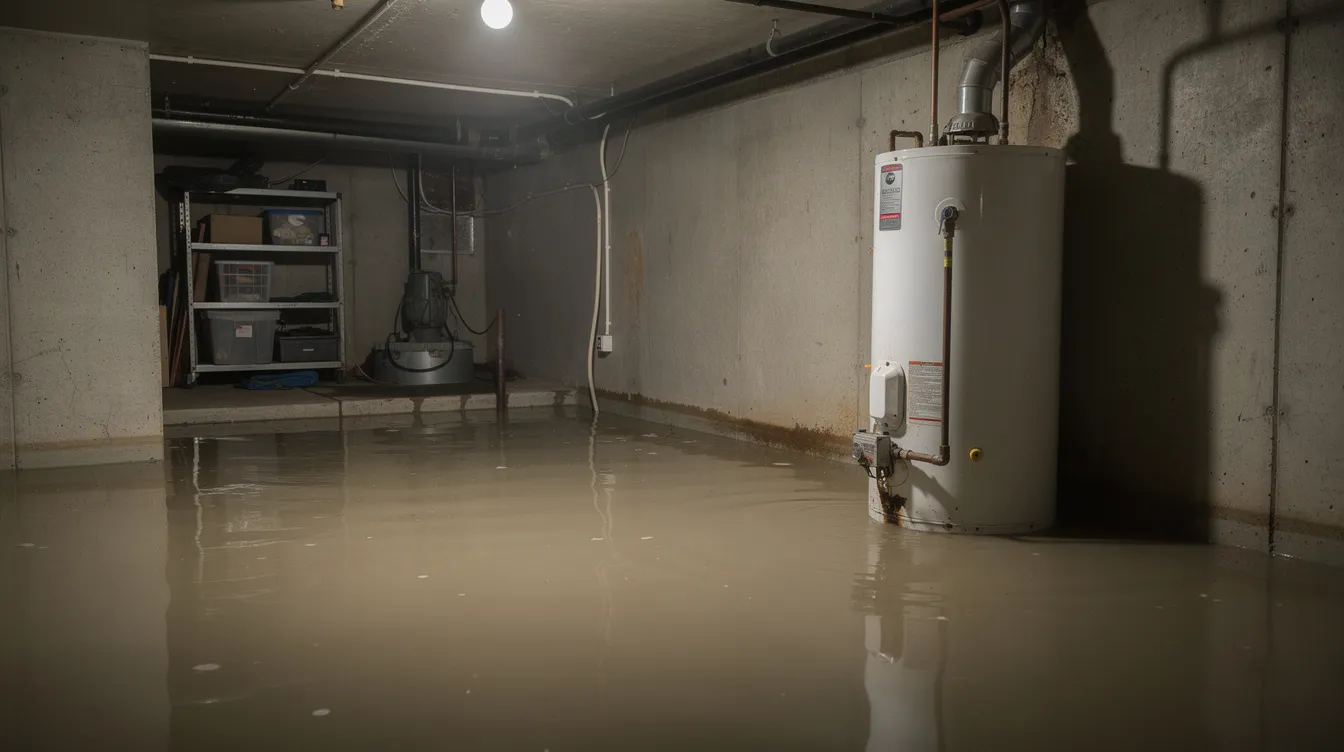
A sudden pipe burst creates an urgent situation requiring immediate action. Quick response can significantly reduce water damage to your home's structure and belongings.
Immediate Actions to Mitigate Damage
Your first priority is shutting off the main water valve. This stops the flow and prevents additional damage. Locate your valve near the street or where the main line enters your home.
If water spreads near electrical outlets or your water heater, turn off power in the affected area. Safety comes first in any emergency plumbing situation.
Open all faucets to drain remaining water from your system. This relieves pressure that could cause more pipe problems. Begin water removal immediately using towels, mops, or wet vacuums.
Every minute counts when dealing with this type of problem. Quick action protects flooring, walls, and personal items from extensive water damage.
Utilizing 24/7 Emergency Services
After securing the area, call BDP Plumbing & Heating at 973-584-8485. Our emergency team responds day or night throughout Morris and Sussex Counties.
Our skilled plumber technicians arrive equipped to handle burst pipe repairs professionally. They assess the damage and restore your plumbing system quickly.
Document everything from the time you notice the issue. Take photos of damage and record steps taken. This helps with insurance claims and professional assessment.
Attempting DIY repairs often leads to more damage and higher costs. Trust BDP's experienced team to solve the problem correctly the first time. We make emergency situations manageable.
BDP Plumbing & Heating Services: Your Local Experts
When plumbing emergencies strike, having a reliable local expert makes all the difference in protecting your home. BDP Plumbing & Heating, Inc. has served Morris and Sussex Counties for over a decade, building trust through consistent, professional service.
Over a Decade of Trust in Morris and Sussex Counties
Our skilled technicians bring genuine pride to every job. They treat each home's plumbing system with careful attention and respect.
BDP understands the unique challenges North Jersey properties face. Our team knows this area intimately, from seasonal temperature shifts to common pipe issues.
We offer comprehensive solutions for any plumbing situation. Services include emergency repairs, system inspections, and preventive maintenance.
Contact Information and the Promise to "Make the Right Choice with BDP"
Available 24/7, our emergency team responds promptly to protect your property. Call 973-584-8485 any time for immediate assistance.
BDP maintains reasonable costs while delivering exceptional quality. Our technicians listen carefully and explain all work before proceeding.
Make the Right Choice with BDP means choosing experience, reliability, and genuine care for your home. Join thousands of satisfied customers who trust us with their critical needs.
Conclusion
Your plumbing system's winter protection starts with understanding these essential concepts. Recognizing early warning signs and applying gentle heat correctly can prevent minor issues from becoming major emergencies.
Remember those simple prevention tips: maintaining consistent temperatures, opening cabinet doors, and allowing faucets to drip during extreme cold. These actions provide powerful protection against freezing problems.
If you ever face a situation beyond your comfort level, professional help is immediately available. Our team at
BDP Plumbing & Heating stands ready 24/7 at973-584-8485.
With this knowledge and our support, you can confidently protect your
home's
water system throughout the
winter season.
Make the Right Choice with BDP for all your plumbing needs in Morris and Sussex Counties.
Frequently Asked Questions About How to thaw frozen pipes safely - BDP Plumbing's Guide
What are the first signs that a pipe is frozen?
The most common indicator is when you turn on a faucet and only a trickle or no water comes out. You might also notice frost on the exterior of the pipe or unusual sounds from your plumbing system. If you see a bulge in a pipe, that's a serious sign of pressure buildup.
Can I use an open flame, like a propane torch, to thaw a frozen pipe?
Absolutely not. Using any kind of open flame is extremely dangerous. It poses a major fire hazard and can damage the pipe. Always use safe, controlled heat sources like a hair dryer or a heating pad designed for this purpose.
What should I do immediately if a pipe bursts in my home?
Your first step is to shut off the main water supply valve to stop the flow. Then, call a 24/7 emergency plumber, like BDP Plumbing & Heating. Move any valuables away from the area to prevent water damage while you wait for help to arrive.
How can I prevent my water pipes from freezing in the future?
Good insulation is key, especially for pipes in unheated areas like basements and crawl spaces. Letting a faucet drip slightly during very cold weather keeps water moving. Also, keep cabinet doors open to allow warm air to circulate around the plumbing.
At what temperature do pipes typically start to freeze?
The risk significantly increases when the temperature drops to 20 degrees Fahrenheit or below. However, pipes located in exterior walls or uninsulated spaces can freeze at higher temperatures, especially if there's a strong wind chill factor.
Is it safe to thaw a frozen pipe myself?
For a small, accessible section, using a hair dryer can be safe if you are cautious. Start thawing near the faucet and work your way down. If the pipe is inside a wall or you are unsure, it's always best to contact a professional to avoid causing damage.