Why Is My Tap Water Cloudy? Expert Answers by BDP Plumbing
If you’re wondering why is my tap water cloudy, the most common reason is tiny air bubbles trapped in the water, which are usually harmless and clear on their own; in other cases, cloudiness comes from suspended minerals, sediment, or other particles that can point to a water quality or plumbing issue. For homeowners and small business owners in Morris, Sussex, Warren, and Somerset Counties, NJ, that difference matters when you’re trying to decide whether the change is normal or a sign your water needs attention.
For over a decade, BDP Plumbing & Heating, Inc. has served local residents and businesses with prompt, professional service at a reasonable cost. In this guide, you’ll learn the main causes of cloudy tap water, a few simple at-home checks to help tell air bubbles from sediment, when cleaning an aerator or adjusting water pressure may help, and when it’s time to call a professional for plumbing repairs or water treatment and filtration options. Knowing the source of the cloudiness helps protect your household water, avoid unnecessary worry, and make sure the water your family or customers use is clean and safe. Our team stands ready to assist at 973-584-8485).
Key Takeaways
- Cloudy appearance in household supply is often harmless but deserves attention
- BDP Plumbing offers over ten years of trusted service in Morris and Sussex Counties
- Simple tests can help identify the cause of visual changes in your drinking supply
- Professional assessment ensures your family's safety and peace of mind
- Understanding the issue is the first step toward clear, safe household liquid
- Our technicians provide respectful, attentive service at reasonable costs
- Contact BDP Plumbing at 973-584-8485 for expert water quality assistance
Understanding Cloudy Tap Water
When your household liquid takes on a hazy appearance, it typically points to one of two distinct scenarios. Knowing which one you're dealing with helps determine if action is needed.
Air Bubbles versus Suspended Solids
Cloudy water is usually caused by harmless air bubbles. Air bubbles are tiny pockets of air that become trapped in water as it travels through pumps and plumbing equipment. These form when liquid travels through pumps and plumbing equipment. The process aerates the supply, introducing harmless bubbles in the water.
These air pockets come from trapped air, and cloudy water is not harmful if it clears within 24 hours. In a glass, the haze from air trapped may clear in a few seconds as the liquid settles, and it is generally not a concern if it clears within 24 hours.
Suspended solids present a different situation. Suspended solids are small particles, such as iron, dirt, or silt, that remain dispersed in the water rather than dissolving. Particles like iron, dirt, or silt can cloud your supply. Unlike air bubbles, these solids may indicate water quality concerns.
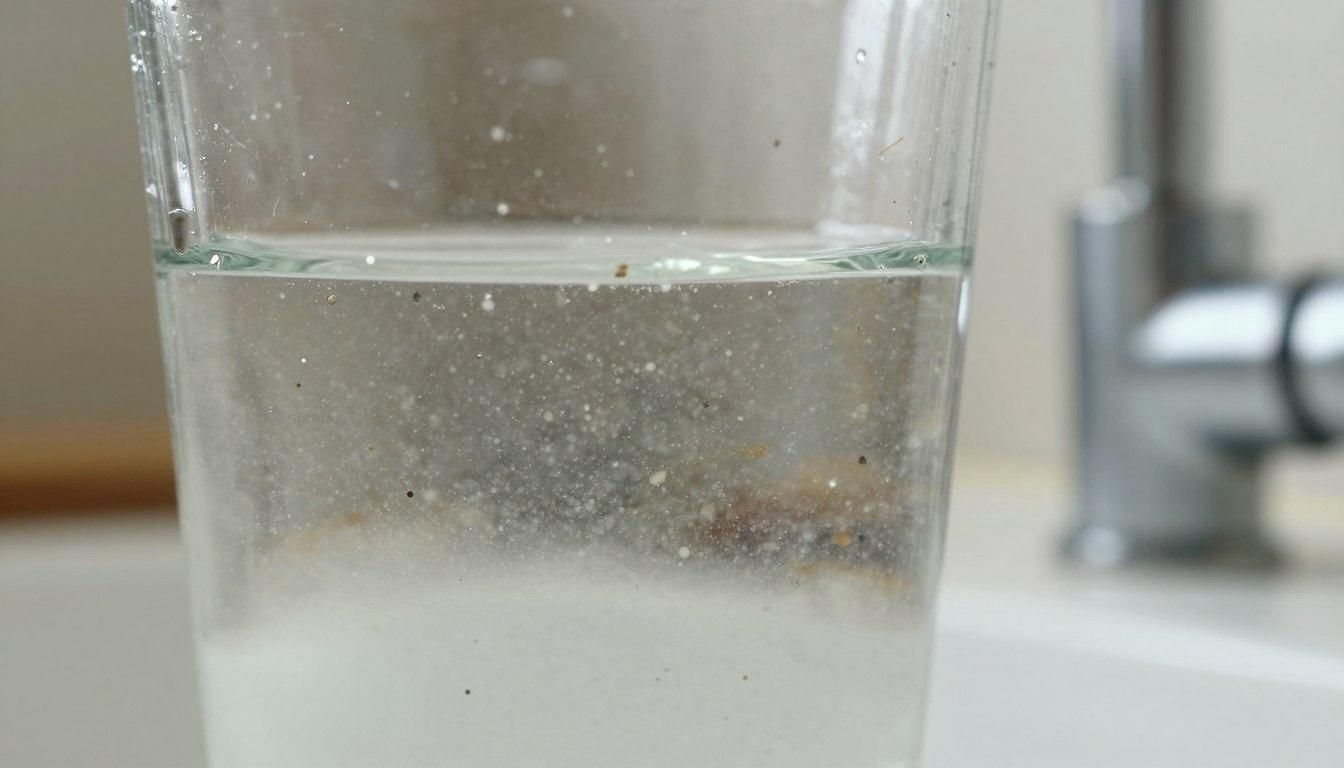
Sediment refers to solid material that settles at the bottom of a container of water. Sediment often settles at the bottom instead of disappearing in cloudy water. Visual clues help distinguish between them. Air creates uniform cloudiness that clears from bottom to top. Suspended particles often leave sediment at the container's base.
When Cloudiness is Normal
Hot water frequently appears cloudy due to natural processes. Heating causes liquid molecules to expand, so hot water may look hazy while cold water remains clear when the issue comes from heater sediment or dissolved gases. This traps dissolved gases, forming tiny air pockets.
Once pressure drops after leaving the faucet, these bubbles quickly rise and dissipate as gases escape. The liquid becomes clear again within moments. This common occurrence shouldn't cause alarm.
Understanding whether air or particles cause the haze is essential. Simple observation reveals which scenario applies to your situation. If the cloudiness is limited to hot water, it often clears within 24 hours and points to the heater rather than the cold water line.
Common Causes Behind "why is my tap water cloudy"
The hazy look you notice in your faucet output typically stems from either trapped gases or suspended particles in the system. Identifying which cause applies to your situation helps determine the appropriate response.
Aeration from Plumbing and Water Heater
High pressure in your home's pipes can mean high water pressure, which can force tiny air bubbles into the water supply. This creates that milky appearance as countless microscopic pockets scatter light.
A phenomenon called water hammer contributes significantly. When liquid flows rapidly then stops suddenly, vibrations can pull
air into the plumbing. Faulty valves or fixtures may also allow gases to enter, and knowing how to
shut off your home’s main water supply can help limit potential damage while you investigate the cause. Adjusting or replacing a water pressure-reducing valve may help.
Your water heater plays a key role too. Heating causes molecular expansion that traps dissolved gases, and the cloudiness is often caused by that trapped air in hot water from that source.
Minerals, Sediment, and Deposits in Water Supply
Many areas have hard water containing high concentrations of minerals like calcium and magnesium. Hard water contains high levels of calcium and magnesium. This hardness affects appearance and buildup, making liquid appear cloudy and leave chalky white deposits that can affect drinking water quality.
Sediment accumulation presents another common issue. Sediment refers to solid particles such as sand, dirt, or rust that settle at the bottom of a container or pipe. Cloudy water may indicate sediment presence in the water supply. Particles like sand, dirt, or rust may enter from aging pipes or the municipal supply. In a hard water area, dissolved minerals from surrounding soil and rock can also increase cloudiness. Limescale buildup also contributes to visual changes.
Chlorine added for disinfection can sometimes create temporary cloudiness at high concentrations. If all
tap locations show haze, the
source likely stems from your main supply rather than fixture-specific problems. A break in the
water main or another
line issue can introduce debris, and testing can confirm the
presence of contaminants.
Well water may also turn cloudy because of methane gas or mineral content and may need
water treatment or
water treatment solutions from
experienced North Jersey plumbing and heating specialists.
How to Test Your Water at Home
You can quickly identify what's creating that milky look in your faucet output with a straightforward home experiment. This simple diagnostic procedure helps determine whether your drinking supply's quality is being affected and if professional attention might be beneficial.
Performing a Simple Resting Test
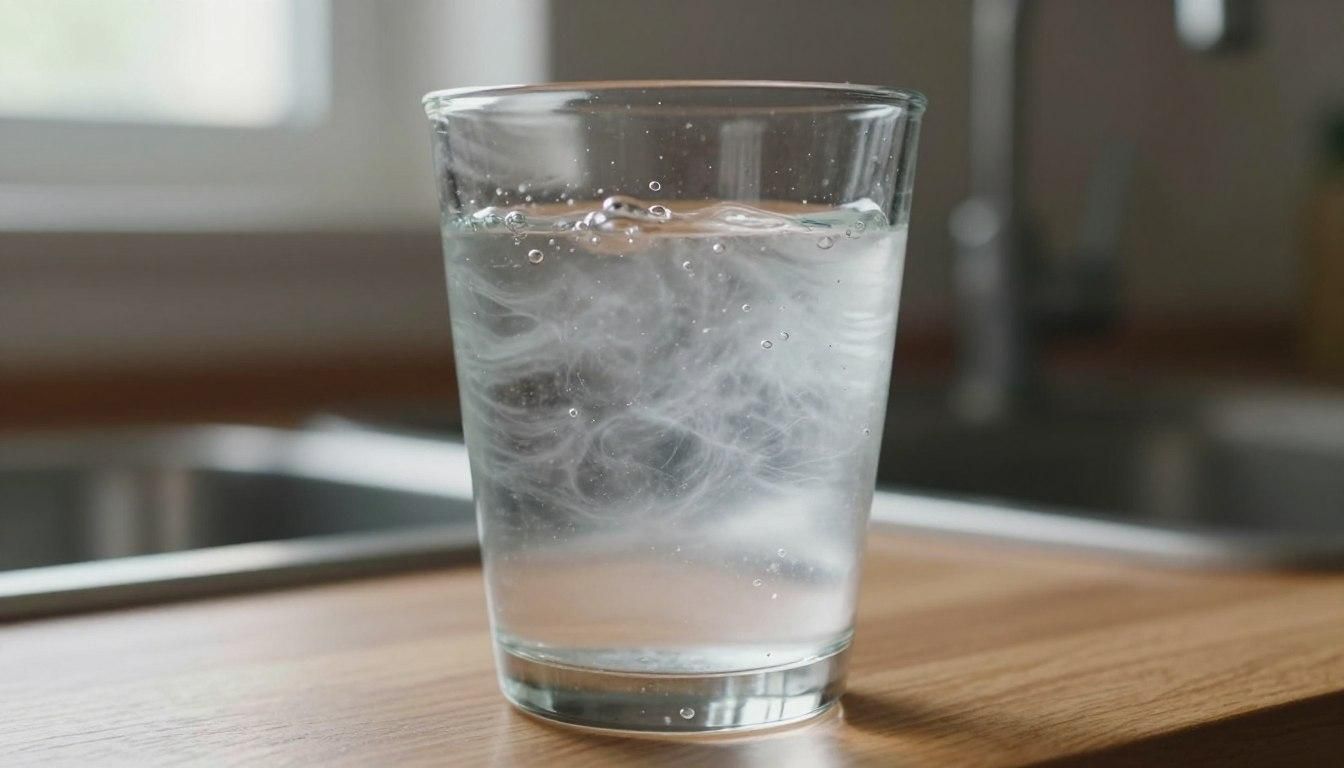
As an example of how to check for trapped air, fill a clear glass from the affected tap. Allow this glass of water to sit undisturbed for at least ten minutes. During this time, carefully observe what happens to the liquid.
If tiny air bubbles rise to the surface and the cloudiness clears as the bubbles rise and dissipate, trapped air is the likely cause. This indicates your supply is generally safe, though plumbing maintenance might be needed.
Interpreting Sediment and Air Bubble Results
When cloudiness persists after ten minutes, or if particles settle at the glass's bottom, you're likely dealing with suspended solids. These sediment issues require further investigation. Persistent particles can be a sign of a more noticeable water quality problem, and in severe cases they may signal leaks or line breaks that should be treated like a potential plumbing emergency.
Check all household faucets to see if the problem is widespread or isolated. Look for yellow or orange stains on sinks and toilets, which signal persistent sediment problems.
While this
test provides valuable initial information, professional
water****quality assessment and routine
plumbing and heating maintenance ensure complete safety. Persistent sediment or cloudiness accompanied by an unusual taste or odor may indicate contamination or potential health risks. Cloudy water is usually caused by harmless air bubbles and is not harmful if it clears within 24 hours, but cloudy water may indicate sediment presence in the water supply, and sediment in water can lead to potential health risks. Unusual taste or odor in cloudy water may indicate contamination. Our technicians can identify specific
solids and recommend appropriate solutions for your home's needs, and professional testing can confirm the presence of contaminants such as
lead.
Effective Solutions for Cloudy Water Issues
Taking control of your home's water clarity involves practical steps you can implement today. Many situations have straightforward solutions that restore a clear appearance quickly, and you can explore additional expert plumbing tips and guides for related household issues.
Start with simple actions before considering more advanced systems. This approach saves time and money while effectively addressing the issues.
DIY Tips: Cleaning Aerators and Checking Pressure
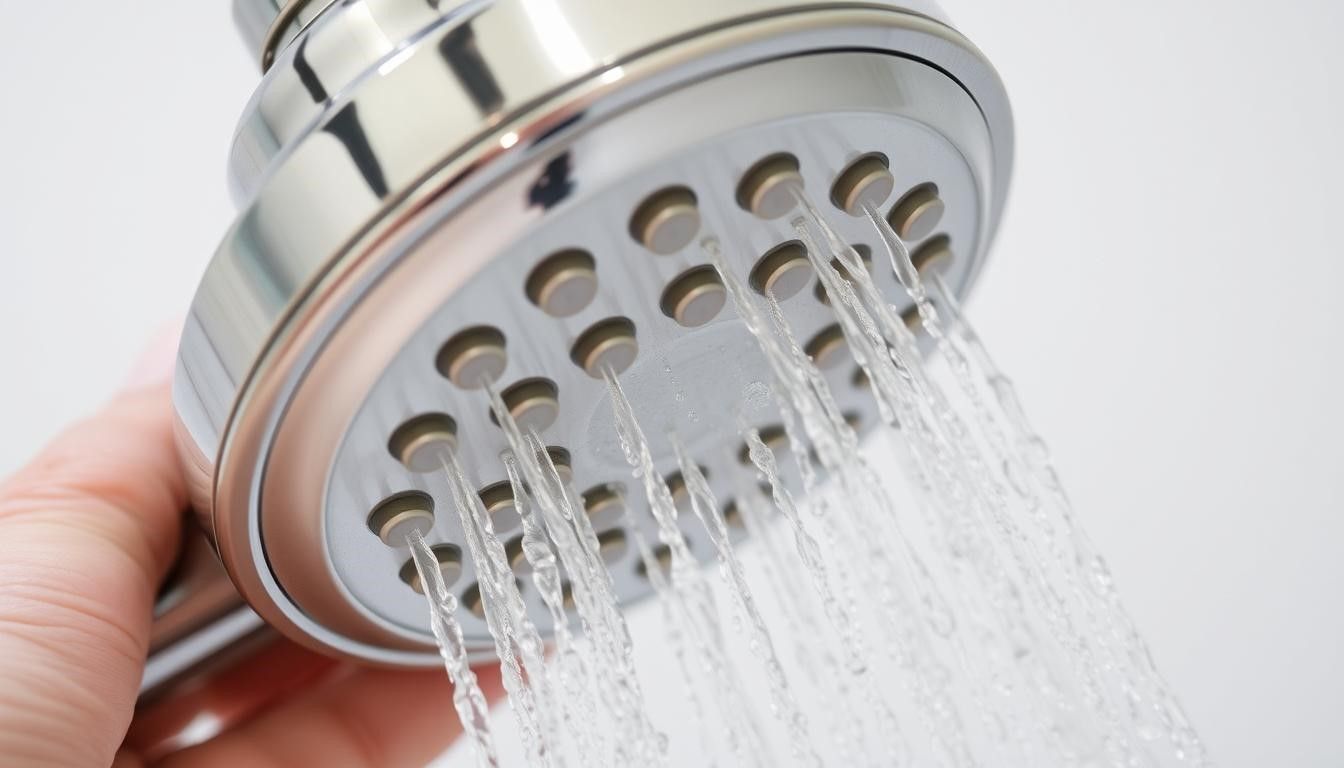
If cloudiness appears at only one or two faucets, begin by cleaning the aerator. Unscrew it from the faucet head and soak it in equal parts vinegar and water.
Gently scrub away mineral buildup before reinstalling it. This often resolves localized problems immediately, much like using vinegar to clean a mineral-clogged showerhead can quickly restore water flow.
Excessive pressure can force air bubbles into your plumbing. Check your home's pressure regulator or gauge. Adjusting it downward can reduce aeration and cloudiness.
For persistent hard water problems causing deposits, a water softener offers a long-term solution. This system removes minerals like calcium and magnesium and is one of several professional plumbing and heating services that can protect your fixtures and appliances.
Professional Help: Filtration Systems and Specialist Advice
When DIY methods don't clear the haze, professional solutions provide certainty. A reverse osmosis filtration system removes sediment, minerals, and other impurities.
This advanced filtration dramatically improves the appearance and taste of your household supply. It also protects your appliances from scale damage, helping you achieve the same level of reliability and satisfaction reflected in our customer plumbing and heating reviews.
BDP Plumbing & Heating, Inc. offers expert assessment and installation. Our skilled technicians recommend the right water softener or filtration system for your home.
Contact us at
973-584-8485 for prompt, professional service. Make the Right Choice with BDP for clear, safe water.
Conclusion
Understanding the source of your home's water clarity is key to ensuring its quality and safety. The milky appearance typically stems from either harmless air bubbles or suspended solids like minerals.
Air bubbles present no health risk and often clear quickly. However, persistent cloudiness, especially with sediment or a strange taste, signals a different issue.
Hard water rich in calcium and magnesium can cause deposits and affect your plumbing system. Simple tests help identify the cause, but professional assessment guarantees your supply is safe to drink.
For over a decade, BDP Plumbing & Heating, Inc. has helped Morris and Sussex Counties homeowners resolve these concerns. Our team provides expert solutions, from diagnostics to water softener installation.
If you're concerned about your home's water quality, call us at
973-584-8485. Make the Right Choice with BDP for clear, reliable results.
Frequently Asked Questions About Cloudy Tap Water
Is cloudy tap water safe to drink?
Cloudy tap water is usually safe to drink if the cloudiness is caused by harmless air bubbles and clears up within a few minutes. If the cloudiness persists, or if there is an unusual taste or odor, it may indicate the presence of sediment or contaminants, and you should have your water tested.
How can I tell if the cloudiness is from air or minerals?
Fill a clear glass with tap water and let it sit undisturbed for several minutes. If the cloudiness rises from the bottom and disappears, it is likely caused by air bubbles. If particles settle at the bottom or the water remains cloudy, minerals or sediment may be present.
Can my plumbing system cause cloudy water?
Yes, your plumbing system can cause cloudy water. High water pressure, faulty valves, or issues with your water heater can introduce air bubbles or sediment into your water supply, resulting in a cloudy appearance.
What are some easy fixes I can try myself?
You can try cleaning faucet aerators, checking and adjusting your home's water pressure, and flushing your pipes by running water for several minutes. For hard water issues, consider installing a water softener. If these steps do not resolve the problem, professional help may be needed.
When should I call a professional like BDP Plumbing?
Call a professional if the cloudiness persists, if you notice sediment settling at the bottom of your glass, or if your water has an unusual taste or odor. Persistent issues may indicate contamination or plumbing problems that require expert assessment and solutions.