Converting to Gas Heat: Benefits, Process, and Costs
Why Converting from Oil or Electric to Natural Gas for Your Home Heating System is a Smart Move: Insights from BDP Plumbing and Heating
Welcome to the BDP Plumbing and Heating blog! Based in Morris County, NJ, we pride ourselves on being your trusted experts in plumbing and heating solutions. If you’re a homeowner considering converting to gas heat from oil or electric heating, this article is for you. We’ll cover the benefits, process, and costs of converting to gas heat for your home heating system, so you can make an informed decision about your comfort and budget. Many homeowners are making the switch, as natural gas is now used in over 50% of U.S. homes. Read on to discover why converting to gas heat could be the right choice for your home.

The Advantages of Switching to Natural Gas
Converting from an oil or electric heating system to natural gas comes with a host of benefits. Here’s why this switch could be a game-changer for your home:
Cost Savings
- Lower Fuel Costs: Natural gas is often less expensive than heating oil or electric resistance heating. Converting to natural gas can significantly lower energy costs compared to electric heating, and gas heating typically has lower operating costs compared to electric resistance heating. Over time, this can result in substantial savings on your energy bills.
- Reduced Maintenance Costs: Natural gas systems generally require less maintenance than oil systems. With no need for regular oil deliveries and fewer components to clean and replace, you’ll enjoy lower maintenance costs and less hassle.
Improved Efficiency
- Higher Efficiency Ratings: Modern natural gas heating systems typically have higher efficiency ratings compared to older oil or electric systems. Natural gas furnaces typically achieve Annual Fuel Utilization Efficiency (AFUE) ratings between 90% and 98%, and gas heating can achieve up to 95% energy efficiency. This means you get more heat for each dollar spent on fuel, enhancing your overall comfort and reducing your energy consumption.
- Instant Heat: Natural gas systems provide instant heat and respond quickly to temperature changes, resulting in more consistent and comfortable temperatures throughout your home.
Environmental Benefits
- Cleaner Burning: Natural gas burns cleaner than oil, producing fewer emissions. This means less pollution and a smaller carbon footprint, contributing to a healthier environment.
- Reduced Carbon Emissions: By switching to natural gas, you help reduce greenhouse gas emissions, which is beneficial for both your local community and the planet.
- Fossil Fuel Consideration: Natural gas is a fossil fuel and produces carbon emissions during combustion.
Convenience and Reliability
- Continuous Supply: Unlike oil, which requires regular deliveries, natural gas is supplied directly to your home through pipelines. This means you never have to worry about running out of fuel or scheduling deliveries.
- Consistent Heat: Natural gas systems offer reliable, consistent heating without the risk of interruptions or storage issues associated with oil tanks.
Increased Home Value
- Market Appeal: Homes with natural gas heating systems are often more attractive to buyers. The efficiency, cost-effectiveness, and environmental benefits of natural gas can enhance your property’s value and appeal.
- Modernization: Upgrading to a natural gas system is a step towards modernizing your home, making it more energy-efficient and appealing to future buyers.
Now that you know the benefits, let’s look at the process and costs involved in making the switch to gas heat, and how our dedicated oil to gas conversion services in Morris and Sussex County can support your project.

Summary: Key Questions Answered
1. What are the main benefits of converting to gas heat?
- Lower energy and operating costs compared to oil or electric heating
- High efficiency (natural gas furnaces can achieve 90%–98% AFUE; up to 95% energy efficiency)
- Improved comfort and reduced maintenance compared to older heating systems
2. What are the typical costs and process steps?
- Total conversion costs typically range from $5,000 to $15,000
- Gas furnace costs: $2,500 to $7,500
- Installation fees: $1,500 to $3,000
- Running new gas lines: $500 to $2,000
- Oil tank removal: $500 to $3,000
- The conversion process typically takes two to three days
3. Are there efficiency or maintenance advantages?
- Gas heating systems are highly efficient (up to 95% energy efficiency)
- Lower maintenance requirements than oil systems
- Improved comfort and reliability
Professional Planning and Safety Considerations
A professional contractor must plan the conversion process to ensure safety and compliance with local codes. Installation of new gas lines and venting may be necessary when converting to gas heat. Gas systems require annual inspections and maintenance to ensure safety and efficiency, and following proven plumbing and heating maintenance tips can help keep everything running smoothly. Working with an experienced contractor ensures your system is installed correctly and operates reliably for years to come.
Why Choose BDP Plumbing and Heating for Your Conversion?
Expert Assessment and Planning
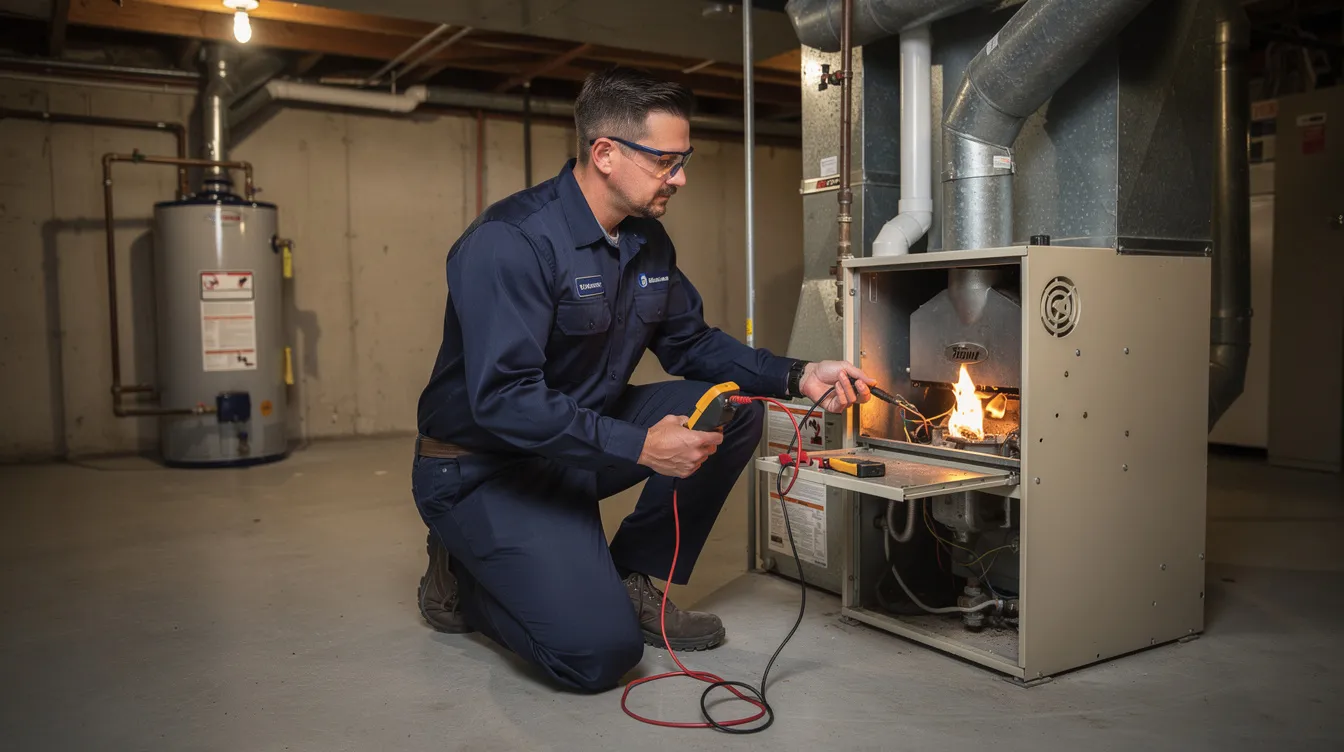
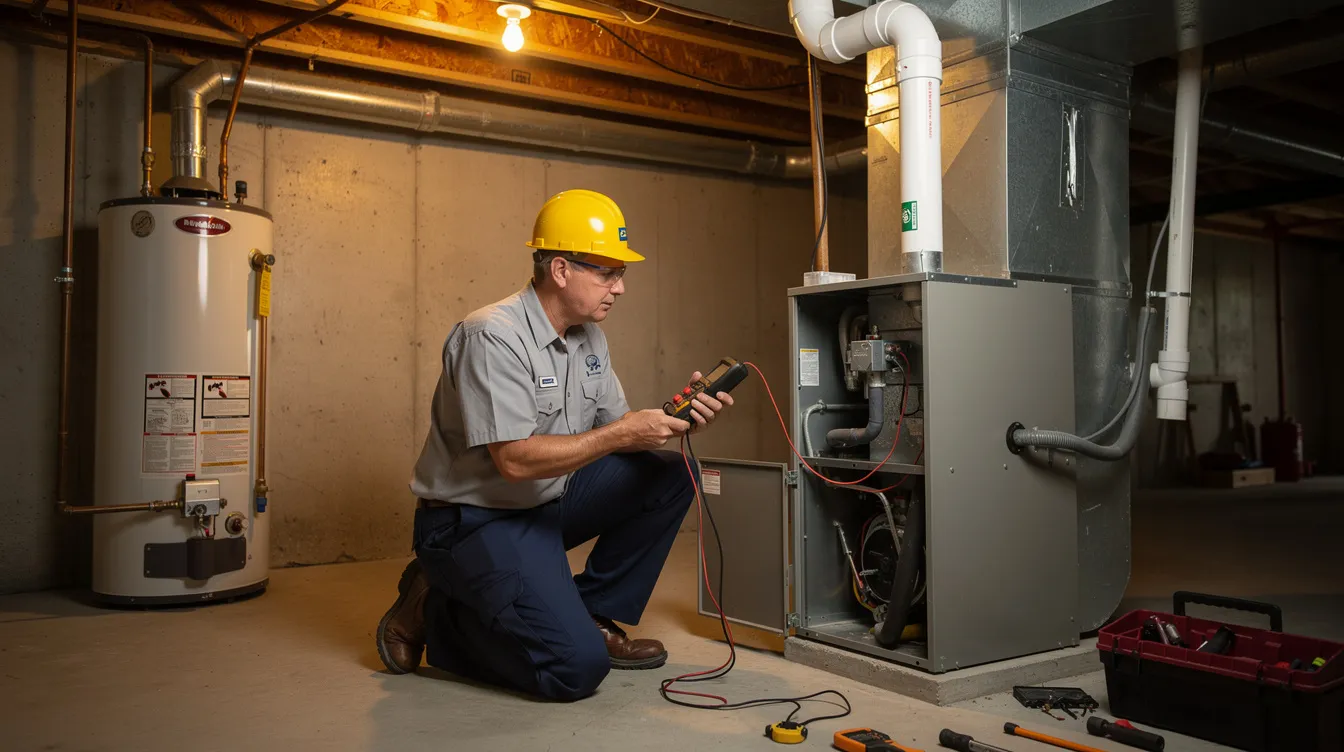
Converting an oil or electric furnace involves several steps, so a licensed contractor should plan the installation process from the start. We inspect your current equipment, review your heating needs, and explain what to expect before work begins, including any boiler services to ensure efficiency and reliability your system may require. For homeowners making an oil to gas upgrade, this helps you make an informed decision, and the work typically takes two to three days.
Transparent Pricing
The price of a new system can vary based on factors like the new gas furnace, gas line installation, chimney liner work, and oil tank removal. Here’s a breakdown of typical costs:
- Gas furnace: $2,500 to $7,500
- Installation fees (labor): $1,500 to $3,000
- Running new gas lines: $500 to $2,000
- Chimney liner installation: $500 to $2,000
- Oil tank removal: $500 to $3,000 (may include additional fees for disposal at an approved facility)
- Total conversion costs: $5,000 to $15,000
Complete Service
We handle the full job, from the gas meter and line connection to startup and testing, so you do not have to rely on multiple companies. If your home needs a gas line for propane or natural gas service, we can help coordinate that work and explain options for propane tanks if gas utility access is limited. We can also review whether a heat pump makes sense for efficient heating and cooling, or whether a new gas furnace is the better fit for your space and budget, and provide detailed guidance on the price to convert from oil to gas heating systems so you understand every cost factor. We also help you look for rebates and federal tax credits that may help you save.
Safe, Code-Compliant Work
We follow local building codes, secure permits when required, and make sure all work is done safely. The location of the gas meter, any new gas line work, and code requirements can affect timing and total cost, and most projects fall in the $5,000 to $15,000 range. Whether you are replacing an old tank, arranging gas line installation, or removing an oil tank in winter, we explain the schedule clearly so you know what to plan for.
Now that you understand the process and costs, let’s see how you can get started with your conversion.
Frequently Asked Questions About Frequently Asked Questions
Can I convert my existing oil furnace to a natural gas furnace?
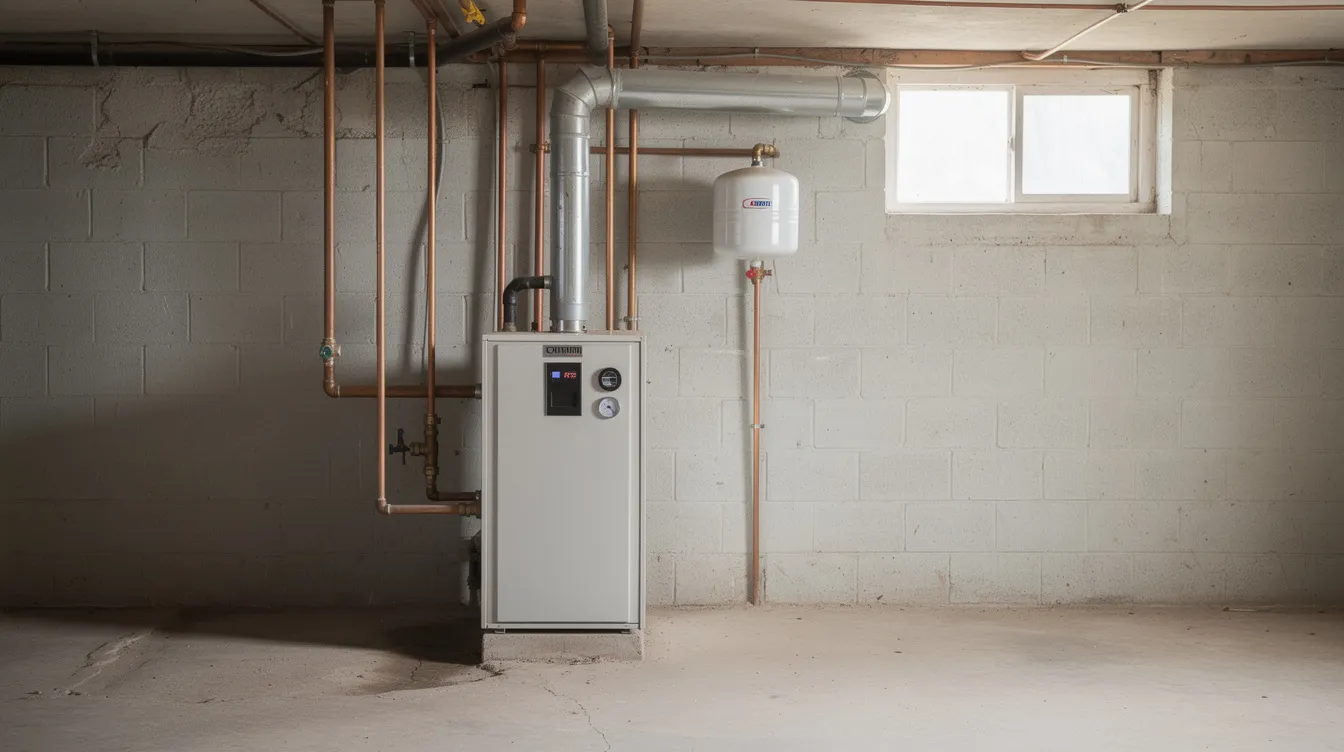
Yes, many oil furnaces can be converted to natural gas, but it typically requires installing a new furnace designed for gas, running new gas lines, and possibly modifying existing ductwork. Certified technicians can assess your current system and recommend the best approach.
What happens to my old oil tank after conversion?
The old oil tank must be safely removed or properly decommissioned to prevent leaks or environmental hazards. Removal costs range from $500 to $3,000, depending on whether the tank is above or underground. Proper disposal is required by local regulations.
How long does the conversion process take?
The actual installation of a new furnace and gas lines usually takes two to three days. However, preliminary assessments, permits, and scheduling may add additional time.
Will my existing ductwork work with a new gas furnace?
In many cases, existing ductwork can be used, but it might need modifications to optimize airflow and efficiency. A professional technician will inspect your duct system during the assessment.
Are there rebates or incentives for converting to natural gas?
Yes, there are often state and utility rebates, tax credits, and financing options available to help offset the cost of a new heating system. BDP Plumbing and Heating can assist you in identifying and applying for these incentives.
Can I install a gas water heater or dryer during the conversion?
Absolutely. Converting to natural gas for your heating system opens opportunities to switch other appliances like water heaters and dryers to gas, which can further reduce your energy costs; exploring electric vs. gas tankless water heaters can also help you choose the most efficient hot water solution.
Is natural gas heating safer than oil heating?
Natural gas heating systems, when installed and maintained by certified technicians, are safe and reliable. They require annual inspections to ensure proper operation and safety.
Ready to Make the Switch?
If you’re considering converting from oil or electric to natural gas, BDP Plumbing and Heating is here to help. Contact us today to schedule a consultation and learn more about how a natural gas heating system can benefit your home. Our team will guide you through the process, answer your questions, and ensure a seamless transition to a more efficient, cost-effective heating solution.
Stay tuned to our blog for more tips and insights on home comfort and energy efficiency, including seasonal plumbing and HVAC repair essentials and practical BDP Plumbing and Heating blog plumbing tips. We look forward to helping you make your home warmer, more efficient, and more environmentally friendly!
[973-584-8485](tel:(973) 584-8485)
Get in touch with us today and take the first step towards a smarter, more efficient home heating system!